April 22, 2026

branding

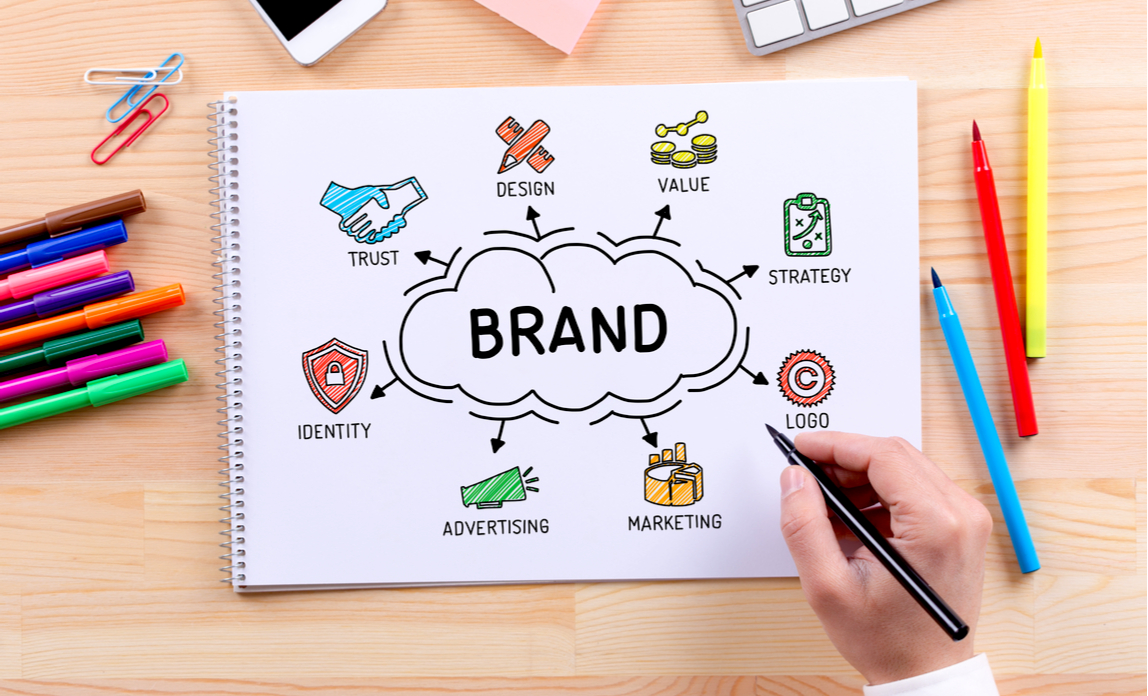
This guide dives deep into the critical aspects of branding strategy line extension. It examines the foundational principles of building a robust brand, while exploring how to effectively extend that brand into new product lines. We’ll look at the strategies for success, the potential pitfalls, and the crucial metrics for evaluating your results.

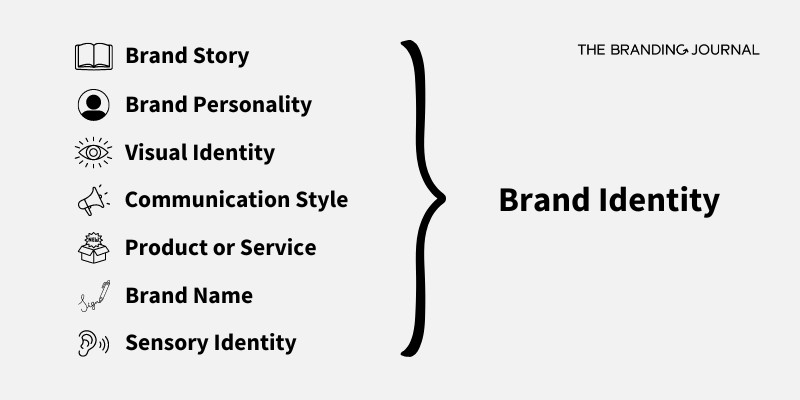
From defining your brand identity to understanding market research and consumer perception, we’ll cover all the key elements for a successful line extension. We’ll also delve into the importance of consistent messaging and maintaining a positive brand image throughout the expansion process. This comprehensive overview equips you with the knowledge and tools needed to navigate the complexities of line extensions and ensure your brand thrives.

Defining Branding Strategy

A robust branding strategy is the cornerstone of a company’s success in today’s competitive marketplace. It’s more than just a logo or a catchy tagline; it’s a comprehensive plan that shapes how a company is perceived by its target audience. This plan meticulously Artikels the brand’s identity, values, and promises, ultimately driving customer loyalty and market share.A well-defined branding strategy acts as a guiding light, ensuring all company actions, from product development to marketing campaigns, are aligned with the brand’s core message.

This alignment fosters consistency and builds a strong brand reputation, which translates into increased customer trust and recognition.

Core Principles of a Branding Strategy

A successful branding strategy is built upon several fundamental principles. These principles ensure a unified and impactful brand presence across all platforms. Consistency in messaging, visual identity, and brand personality is paramount.

  • Clarity and Consistency: A clear and consistent brand message is crucial. This message must be conveyed across all platforms, ensuring customers receive a unified brand experience. This includes brand voice, tone, and visual identity elements.
  • Target Audience Focus: Understanding the target audience is essential for effective branding. Tailoring messaging and brand personality to resonate with the target audience is vital for creating a strong emotional connection.
  • Brand Differentiation: In a crowded market, differentiation is key. A strong brand clearly communicates what makes it unique and distinct from competitors, highlighting its competitive advantages.
  • Brand Value Proposition: Articulating the unique value proposition is critical. This entails clearly defining the problem the brand solves and the benefits it offers to customers.

Key Elements of a Branding Strategy

A comprehensive branding strategy encompasses several key elements that work in synergy to create a powerful brand identity. These elements ensure a unified and consistent brand experience.

  • Brand Positioning: This defines the brand’s place in the market, highlighting its unique value proposition compared to competitors. This involves market analysis and competitor research to identify opportunities for differentiation.
  • Brand Messaging: The brand’s message needs to be clear, concise, and compelling. This includes the brand’s mission, vision, values, and promises to customers.
  • Visual Identity: Visual elements such as logo, color palette, typography, and imagery are critical. They should reflect the brand’s personality and values, creating a memorable and recognizable visual experience.
  • Brand Experience: This encompasses all customer interactions with the brand, including website design, customer service, product quality, and marketing materials. Ensuring a seamless and positive experience is crucial for building customer loyalty.

Significance of a Well-Defined Branding Strategy

A well-defined branding strategy is vital for a company’s long-term success. It builds brand recognition, loyalty, and trust, which directly impacts profitability and market share.

  • Enhanced Customer Loyalty: A strong brand fosters customer loyalty by providing a consistent and positive experience. This leads to repeat business and positive word-of-mouth referrals.
  • Improved Brand Recognition: A recognizable brand allows customers to easily identify and associate the company with its products or services. This increases market share and brand awareness.
  • Stronger Competitive Advantage: A well-defined brand helps a company stand out from competitors, providing a unique selling proposition that resonates with customers.
  • Increased Market Share: A powerful brand leads to greater customer trust and preference, resulting in increased market share and revenue.

Examples of Effective Branding Strategies

Many companies have successfully implemented branding strategies that have solidified their position in the market. These examples showcase the power of a well-executed strategy.

  • Apple: Apple’s branding strategy emphasizes innovation, simplicity, and high-quality design. This has created a loyal customer base that values the brand’s unique aesthetic and user experience.
  • Nike: Nike’s branding strategy centers around athleticism, empowerment, and inspiration. This is effectively communicated through its marketing campaigns and product design, creating a strong emotional connection with its customers.
  • Coca-Cola: Coca-Cola’s branding strategy focuses on happiness, togetherness, and shared experiences. This has created a global brand recognized and appreciated by millions worldwide.

Strong vs. Weak Branding Strategies

The table below highlights the key differences between a strong and weak branding strategy.

Feature Strong Branding Strategy Weak Branding Strategy
Brand Identity Clear, consistent, and well-defined brand identity Vague, inconsistent, and poorly defined brand identity
Target Audience Precisely defined target audience Broad, undefined target audience
Brand Messaging Clear, concise, and compelling brand messaging Confusing, unclear, and uninspired brand messaging
Visual Identity Memorable and recognizable visual identity Unremarkable and easily forgotten visual identity
Brand Experience Consistent and positive brand experience Inconsistent and negative brand experience

Understanding Line Extensions

Line extensions are a common strategy in product development, leveraging existing brand equity to introduce new products within the same product category. This approach can be a cost-effective way to expand market share and reach new customer segments. Understanding the various types of line extensions and their implications is crucial for successful product planning.

Definition of Line Extensions

Line extensions involve introducing new products that are closely related to existing ones within the same product category. This relationship can manifest in various forms, from slight variations in existing product features to completely new iterations within the same general category. The key differentiator is the existing brand equity, which the new product leverages for recognition and acceptance.

Types of Line Extensions

Line extensions come in several forms, each with its own unique approach to expanding product offerings.

  • Product Line Stretching: This involves introducing products that are either higher or lower in price or quality compared to the existing line. For instance, a company selling mid-range running shoes might introduce a premium line with advanced features or a budget-friendly line for entry-level runners.
  • Product Line Filling: This strategy focuses on filling gaps within the existing product line. For example, if a company sells various sizes of T-shirts, they might add a medium-sized product that is currently unavailable. A critical element is assessing customer needs and demand for the unfilled product.
  • Product Line Modernization: This involves updating or enhancing existing products to improve their performance, features, or design. A good example is an electronics company releasing a new generation of smartphones with enhanced camera technology and faster processing speeds.
  • Product Line Modification: This focuses on changing existing products by altering their packaging, ingredients, or even size. A company might adjust the size of its coffee pods to meet consumer demand or alter the recipe of its ice cream flavor for improved taste.

Line Extensions vs. Brand Extensions

Line extensions, as discussed, focus on existing product categories, whereas brand extensions involve introducing new products in entirely different categories. A company might use its established brand name for a completely new product line, like a clothing brand launching a line of home goods. The critical distinction lies in the relatedness of the product to the existing product line.

Advantages of Line Extensions

Line extensions can offer several benefits for businesses.

  • Increased Market Share: Expanding the product line can lead to increased market share and revenue opportunities, as the company targets a broader customer base within its existing market segment.
  • Reduced Risk: By building upon existing brand recognition and customer loyalty, line extensions are often perceived as lower-risk ventures compared to developing an entirely new product line.
  • Faster Time to Market: The existing infrastructure and knowledge base of the company allows for quicker launch cycles for line extensions compared to new product development.
  • Enhanced Brand Image: Successful line extensions can reinforce a brand’s image as a reliable and innovative provider of products within a specific category.

Disadvantages of Line Extensions

Despite the advantages, line extensions also come with potential drawbacks.

  • Cannibalization: Existing products in the line may suffer sales if the new line extension is too similar or targets the same customer base. For instance, a company launching a premium version of a product might draw sales away from its existing mid-range models.
  • Potential for Brand Dilution: If not carefully planned and executed, a series of poorly received line extensions can lead to a dilution of the brand’s image and reputation.
  • Increased Production Costs: Adding new products to an existing line may require additional investments in production facilities, equipment, or materials.
  • Risk of Overextension: Overextending the product line can lead to a lack of focus, and confusion among customers, which might impact brand perception.

Illustrative Table

The following table provides examples of product categories and potential line extensions.

Product Category Potential Line Extensions
Soft Drinks New flavors, smaller sizes, zero-sugar options
Clothing New styles, colors, sizes, materials
Electronics Updated models, different screen sizes, added features
Personal Care New product types, scents, formulas, sizes

Branding Strategy for Line Extensions

A robust branding strategy is crucial for successful line extensions. It acts as a compass, guiding decisions and ensuring that new products align harmoniously with the existing brand image, ultimately maximizing the potential for market penetration and brand loyalty. This strategy dictates how the brand navigates the complexities of expanding its product portfolio without diluting its core identity.Effective branding strategies for line extensions necessitate a careful consideration of the existing brand equity, target market preferences, and the potential impact on the overall brand perception.

This approach requires a meticulous planning process, ensuring that new products resonate with the established brand values and maintain a consistent brand image.

Influence of Branding Strategy on Line Extensions

Branding strategy directly influences line extensions by dictating the overall approach to product development and marketing. A well-defined brand strategy provides a framework for creating new products that maintain the brand’s core identity, attract the target market, and enhance brand equity. The brand strategy determines the specific brand attributes that should be reflected in the new products, ensuring consistency and brand recognition.

A clear brand strategy reduces uncertainty and facilitates informed decisions about product development, positioning, and marketing.

Critical Factors in Developing a Branding Strategy for Line Extensions

Several factors are paramount when creating a branding strategy for line extensions. These factors include analyzing the existing brand identity, understanding the target market’s preferences, and evaluating the competitive landscape. Careful consideration of these aspects ensures that the new products align with the overall brand image, resonate with the target market, and successfully compete in the marketplace.

  • Understanding the Target Market: Thorough market research and analysis are vital to identifying unmet needs and opportunities. This involves understanding the preferences, needs, and expectations of the target audience for the new product lines. This research can help in tailoring the brand message and product features to resonate with the target market. For example, if the brand focuses on family-friendly products, the new line extension should reflect this core value.

  • Maintaining Brand Consistency: Consistency in brand messaging, visual identity, and product attributes is crucial. Maintaining consistency across different product lines reinforces brand recognition and trust among consumers. This builds a strong brand image and encourages brand loyalty. The brand’s core values and promises should be reflected in all product lines.
  • Positioning New Products Within the Brand Identity: Positioning new products within the existing brand identity is critical to ensuring that the new offerings complement the existing product line without diluting the core brand image. This involves strategically aligning the new product’s features, benefits, and target market with the established brand identity. A strong brand position helps consumers differentiate the product line from competitors.
  • Assessing Competitive Landscape: A thorough understanding of the competitive landscape is essential to identify opportunities and challenges. This includes analyzing competitors’ product offerings, pricing strategies, and marketing approaches. The strategy must consider how the new products will differentiate the brand from competitors while still maintaining brand consistency.

Managing Brand Perception During Line Extensions

Managing brand perception is critical during line extensions. It is important to ensure that the new products do not negatively impact the existing brand image. Strategies to mitigate potential negative impacts include carefully defining the target market for the new product, communicating the brand values effectively, and maintaining consistency in brand messaging and visual identity.

  • Communicating Brand Values: Clearly communicating the brand’s core values and promises to the target market is essential. This communication should be consistent across all marketing channels and should resonate with the existing brand image. A clear brand message helps consumers understand the product’s position in the overall brand portfolio.
  • Defining Product Differentiation: Differentiating the new products from existing offerings is crucial. This differentiation should be clear, compelling, and consistent with the overall brand image. Differentiating features, benefits, or price points should be used to position the new product within the brand identity.
  • Monitoring Consumer Feedback: Continuously monitoring consumer feedback and adjusting the strategy as needed is important. This allows for adjustments to marketing campaigns, product features, or other aspects of the brand image to maintain a positive brand perception. Customer feedback is invaluable in identifying potential issues and adapting to changing consumer preferences.

Framework for Creating a Branding Strategy for Line Extensions

A structured approach is essential for developing a comprehensive branding strategy for line extensions. This framework involves defining the brand’s core values, identifying target markets, and creating a clear positioning strategy.

  1. Define Brand Essence: Clearly articulate the brand’s core values, mission, and vision. This will serve as the foundation for all product development decisions.
  2. Identify Target Market: Conduct thorough market research to define the target market for the new product line. This involves understanding their needs, preferences, and expectations.
  3. Develop Product Positioning: Create a clear and compelling positioning strategy that differentiates the new product from existing offerings while maintaining brand consistency. This includes identifying unique selling propositions (USPs).
  4. Establish Brand Guidelines: Develop comprehensive brand guidelines to ensure consistency in messaging, visual identity, and product attributes across all product lines. This will maintain brand recognition and trust.
  5. Implement and Monitor: Implement the developed strategy and continually monitor its effectiveness. This includes tracking sales, market share, and consumer feedback to adjust the strategy as needed.

Factors Influencing Line Extension Decisions

Line extensions, a strategic move for expanding product portfolios, are influenced by a complex interplay of internal and external factors. Understanding these forces is crucial for successful launches and maximizing return on investment. A thorough assessment of these elements enables businesses to make informed decisions, aligning product offerings with market demands and consumer preferences.

Internal Factors Driving Line Extension Decisions

Internal factors often stem from the company’s resources, capabilities, and objectives. These include available production capacity, existing brand equity, and the financial resources allocated to the extension. A company with excess production capacity might choose a line extension to utilize resources efficiently. Likewise, leveraging strong brand equity can be a significant driver, allowing a company to capitalize on established customer trust and familiarity.

  • Production Capacity: Sufficient production capacity is a cornerstone for a successful line extension. Insufficient capacity can lead to bottlenecks, delayed product availability, and potential loss of market share to competitors. Companies must carefully assess their production capabilities to ensure they can meet anticipated demand.
  • Brand Equity: An established and positive brand image significantly influences consumer perception and purchase decisions. A well-regarded brand provides a solid foundation for introducing new products, as consumers are more likely to try extensions of an established and trusted brand.
  • Financial Resources: Adequate financial resources are vital for managing the costs associated with a line extension, encompassing research and development, marketing, and production. A thorough budget analysis is crucial to evaluate the financial feasibility of the extension.

External Factors Shaping Line Extension Decisions

External factors, including market trends, competitor activities, and consumer preferences, significantly impact line extension strategies. Market research plays a pivotal role in understanding these trends and adapting to them.

  • Market Trends: Analyzing market trends, such as evolving consumer preferences and emerging technologies, is essential for identifying opportunities for line extensions. Understanding the changing dynamics in the target market allows companies to adapt their products to meet current and future demands.
  • Competitor Activities: Monitoring competitor actions is crucial for staying ahead in the market. Understanding competitor strategies, new product launches, and marketing initiatives can inform the development of effective line extensions.
  • Consumer Preferences: Consumer preferences are pivotal in determining the success of line extensions. Understanding consumer needs, wants, and expectations is critical to developing products that resonate with the target market.

Market Research Methods for Line Extensions

Effective market research is indispensable for successful line extension decisions. Qualitative and quantitative research methods provide valuable insights into consumer preferences and market dynamics.

  • Focus Groups: Focus groups offer valuable qualitative insights into consumer opinions and reactions to potential line extensions. These groups allow for in-depth exploration of consumer perceptions and preferences.
  • Surveys: Surveys provide quantitative data about consumer preferences, demographics, and purchasing behaviors. Data collected from surveys can identify trends and preferences that support or refute the proposed line extension.
  • Consumer Interviews: Individual consumer interviews offer a deep understanding of consumer motivations, needs, and expectations related to the product category. In-depth conversations with consumers provide rich insights for developing relevant products.

Consumer Perception and Line Extension Success

Consumer perception plays a critical role in determining the success of line extensions. Maintaining a consistent brand image and offering products aligned with existing consumer perceptions is essential for success. A successful line extension will be perceived as a natural extension of the existing brand.

Market Segmentation and Line Extension Responses

Different market segments respond differently to line extensions. Understanding these segment-specific responses is critical for developing targeted marketing strategies. For instance, a line extension aimed at a younger demographic may employ a different marketing approach compared to one targeted at a more mature audience.

Factor Influence on Successful Line Extensions
Production Capacity Ensuring sufficient production capacity to meet demand is crucial for a smooth launch and maintaining supply.
Brand Equity Leveraging strong brand equity can significantly increase consumer trust and drive demand for line extensions.
Market Trends Understanding current market trends and consumer preferences is essential for aligning products with evolving demands.
Consumer Perception Maintaining a consistent brand image and offering products that align with consumer perceptions is key for success.
Competitor Actions Monitoring competitor activities and adapting strategies accordingly can provide a competitive advantage.

Strategies for Successful Line Extensions

Maintaining brand equity and successfully launching line extensions requires a strategic approach that considers the existing brand image, target market, and competitive landscape. A well-defined strategy for line extensions can leverage existing brand recognition to introduce new products while minimizing the risk of damaging the overall brand perception. This involves careful consideration of various factors and a comprehensive marketing plan.

Maintaining Brand Equity During Line Extensions

A crucial aspect of successful line extensions is preserving the core brand identity. This involves ensuring that new products align with the established brand values and resonate with the target audience. This is not merely a matter of extending a name; it’s about maintaining the brand’s reputation and perceived value. This can be achieved through careful product development, consistent messaging, and targeted marketing efforts.

Marketing Approaches for Line Extensions

Different marketing approaches can be employed to introduce and promote line extensions. A multi-faceted strategy is often most effective, combining various channels to maximize reach and impact.

  • Digital Marketing: Utilizing social media platforms, search engine optimization, and targeted online advertising allows brands to connect directly with their target audience. For example, a clothing brand might create engaging social media content showcasing new clothing styles alongside testimonials from existing customers.
  • Public Relations: Generating positive media coverage through press releases, product reviews, and influencer collaborations can enhance brand awareness and credibility. For instance, a food company might send samples to food bloggers or participate in relevant industry events.
  • Experiential Marketing: Creating interactive experiences that allow consumers to interact with the new product directly can be very effective. A cosmetics brand might host in-store workshops or virtual events where consumers can try out new products and get feedback.

Pricing Strategies for Line Extensions

Pricing strategies for line extensions should be meticulously planned, considering various factors like production costs, target market, and competitive pricing. Pricing decisions need to balance profitability with consumer appeal.

  • Competitive Pricing: Positioning a new product at a similar price point to competitors can be a strategy, especially if the product is comparable in quality. This strategy aims to capture market share and build consumer confidence in the product’s value.
  • Premium Pricing: Offering a product at a higher price point can position it as a premium option, suggesting higher quality or exclusivity. This strategy is often used for products with unique features or ingredients.
  • Value Pricing: Setting a price that offers good value for the price relative to competitors can attract a wider customer base. This approach focuses on providing a good quality product at a reasonable price point.

Packaging and Design for Line Extensions

Packaging and design play a vital role in communicating the brand message and enhancing the consumer experience. The packaging should reflect the brand’s identity while highlighting the unique attributes of the line extension.

  • Visual Consistency: Maintaining a consistent visual style with the existing brand identity is crucial. This reinforces brand recognition and creates a cohesive brand image across all product lines.
  • Highlighting Key Features: The packaging should effectively communicate the unique features and benefits of the line extension to attract consumers. A clear and concise description of the product’s key attributes is essential.
  • Sustainability: Eco-friendly packaging options are becoming increasingly important, and companies that prioritize sustainability in their packaging choices can improve their brand image and appeal to environmentally conscious consumers.

Creating a Marketing Plan for a Line Extension

A comprehensive marketing plan for a line extension should Artikel specific strategies and tactics to reach the target audience, build brand awareness, and drive sales.

  • Target Audience Definition: Clearly define the target audience for the line extension, considering their demographics, psychographics, and purchasing habits. This will inform the marketing messaging and channel selection.
  • Budget Allocation: Establish a realistic budget for the marketing campaign, allocating resources effectively across different channels. A detailed budget breakdown will provide a clear overview of the financial aspects.
  • Measurable KPIs: Define key performance indicators (KPIs) to track the success of the campaign, such as brand awareness, sales, and customer engagement. Regular monitoring of these metrics allows for adjustments to the marketing strategy as needed.

Managing Brand Image During Line Extensions

Maintaining a strong and consistent brand image is paramount when extending a product line. A well-managed brand image translates into customer trust, loyalty, and ultimately, increased sales. A poorly managed image, however, can damage the entire brand’s reputation, leading to decreased market share and even financial losses.Line extensions, while offering opportunities for growth, can pose significant challenges if not carefully considered within the context of the existing brand identity.

A key aspect of successful line extensions is ensuring that the new products reinforce, rather than dilute, the core brand values and associations. A consistent brand image throughout the product line is essential to preserve customer trust and build a positive perception.

Importance of Consistent Brand Messaging

Consistent brand messaging across all line extensions is crucial for maintaining a unified brand image. Customers develop expectations about a brand based on its existing offerings. Introducing products that deviate significantly from these expectations can lead to confusion and a weakened brand perception. A unified brand voice, visual identity, and core values are critical in ensuring that all products communicate a coherent message.

Potential Risks to Brand Image from Inappropriate Line Extensions

Inappropriate line extensions can lead to several detrimental effects on brand image. Introducing products that are incongruent with the existing brand values can confuse consumers and damage brand equity. For example, a luxury brand attempting to enter a budget-friendly market segment without adapting its premium image may alienate its core customer base. Poorly executed extensions can also lead to diluted brand perception, creating uncertainty about the brand’s identity.

Methods to Mitigate Negative Impacts on Brand Perception

Careful planning and execution are key to mitigating negative impacts. Thorough market research is essential to understand consumer preferences and identify suitable extensions that align with the existing brand image. Testing new product concepts with target audiences can provide valuable feedback and help refine the product offerings. Clearly defining the brand’s positioning and target audience before embarking on any line extension is critical.

Communicating the value proposition of each extension in a way that aligns with the overall brand identity is also important. A well-defined brand story and value proposition helps clarify the relevance of each extension.

Real-World Examples of Successful and Unsuccessful Line Extensions

Successful line extensions often maintain a strong link to the existing brand image. For example, Apple’s expansion into various product categories like watches and services, has maintained a strong and consistent brand image. Their design aesthetic and focus on user experience have been consistent across all products. In contrast, the unsuccessful attempts by some brands to drastically alter their existing brand image to target new markets often results in negative consequences.

Table Comparing Marketing Strategies

Factor Successful Line Extension (e.g., Apple) Unsuccessful Line Extension (e.g., a luxury brand entering budget market)
Brand Positioning Clear and consistent positioning aligned with core brand values. Confusing positioning that deviates from existing brand identity.
Target Audience Clear definition of target audience for new product, aligned with existing brand. Target audience mismatched with the brand’s existing identity.
Marketing Strategy Consistent marketing messaging that reinforces the brand’s core values. Marketing campaigns that do not effectively communicate the new product’s relevance to the brand.
Product Development Products are well-integrated into the overall brand experience. Products that are not cohesive with the existing brand experience.

Evaluating the Success of Line Extensions

Line extensions, while potentially lucrative, require careful evaluation to determine their effectiveness. A robust framework for assessment is crucial to understanding the impact on the overall brand and to inform future strategic decisions. A comprehensive evaluation considers not just immediate sales but also long-term brand health and market positioning.A successful line extension strategy builds upon existing brand equity, capitalizing on consumer familiarity and trust.

However, a poorly executed extension can damage brand reputation and erode consumer loyalty. Therefore, a rigorous evaluation process is paramount.

Framework for Evaluating Line Extension Effectiveness

A structured approach is essential for evaluating the impact of line extensions. This involves analyzing various factors, such as market response, financial performance, and brand perception. A comprehensive framework considers the initial launch, subsequent sales, and long-term brand impact. Key areas to assess include customer satisfaction, competitor reactions, and the overall market environment.

Metrics for Measuring Line Extension Success

Several key metrics provide insights into the success of line extensions. These metrics help quantify the impact on sales, market share, and brand perception. Sales data, market share analysis, and consumer feedback are critical for understanding consumer reception and the overall success of the extension.

Key Performance Indicators (KPIs) for Tracking Line Extension Progress

Monitoring KPIs is crucial for tracking the progress of line extensions. This provides real-time insights into the effectiveness of the strategy. The chosen KPIs should be specific, measurable, achievable, relevant, and time-bound (SMART). Examples of relevant KPIs include unit sales, customer acquisition, brand awareness, and customer satisfaction.

Analyzing Sales Data to Assess Impact

Sales data analysis is a vital component of evaluating line extension effectiveness. This analysis helps identify trends and patterns related to the extension’s performance. A thorough analysis should include comparisons with previous sales figures, competitor data, and overall market trends. The analysis should identify whether the extension generated additional sales or cannibalized existing product sales.

Table of Metrics for Evaluating Line Extensions

This table Artikels various metrics and their significance in evaluating the effectiveness of line extensions.

Metric Significance
Sales Growth Indicates the increase or decrease in sales generated by the line extension compared to previous periods or expected figures.
Market Share Represents the portion of the market captured by the line extension.
Customer Acquisition Tracks the number of new customers acquired due to the line extension.
Brand Awareness Measures the extent to which consumers are aware of the line extension.
Customer Satisfaction Reflects the level of satisfaction among customers with the line extension. This can be assessed through surveys or feedback mechanisms.
Profit Margin Indicates the profitability of the line extension, considering costs and revenue.
Customer Retention Assesses the ability of the line extension to retain existing customers.
Competitor Response Evaluates how competitors react to the introduction of the line extension.
Customer Feedback Provides direct insights into customer perceptions and preferences regarding the line extension.

Last Word

In conclusion, successfully extending a brand requires careful planning and execution. This guide has Artikeld the essential steps to creating a robust branding strategy for line extensions. By understanding the core principles, identifying key factors, and implementing effective strategies, you can maximize the potential of your brand expansion and achieve lasting success. We’ve covered everything from initial planning to ongoing evaluation, ensuring a well-rounded approach to line extensions.

FAQ Corner

What are some common mistakes to avoid when developing a branding strategy for line extensions?

Failing to conduct thorough market research, overlooking consumer perception, and neglecting consistent brand messaging are common pitfalls. Inconsistency in branding elements across product lines can damage brand equity.

How can I effectively position new products within an existing brand identity?

Maintain brand consistency while clearly differentiating the new product’s value proposition. Consider the target audience for the new product and tailor messaging accordingly. A well-defined positioning strategy is crucial.

What role does market research play in successful line extension decisions?

Thorough market research helps identify potential demand, understand consumer preferences, and assess the viability of a new product line. This research provides critical data for strategic decision-making.
branding iron kennewick photos sets the stage for this enthralling narrative, offering readers a glimpse into a story that is rich in detail and brimming with originality from the outset.

Branding irons serve as crucial tools in various industries, leaving their mark as symbols of identity and craftsmanship. In Kennewick, these tools are not just functional; they embody a rich local culture that appreciates the artistry behind branding. This overview delves into the significance of branding in the area, the photography tips for capturing their essence, and how the community showcases these unique pieces.

Overview of Branding Irons

Branding irons are tools used for marking or branding objects, commonly used across various industries. They serve as a means of identification, providing a unique mark that signifies ownership or authenticity. Branding irons can be found in sectors such as agriculture, leatherworking, and even in the culinary arts, where they are used to imprint logos or designs onto food items.Branding irons come in different types, each designed for specific applications.

The most common types include manual branding irons, which are heated traditionally, electrical branding irons that offer a more consistent heat, and even custom-made branding irons tailored to specific designs or logos. The choice of branding iron often depends on the material being branded, the size of the job, and the desired outcome.

Types of Branding Irons

Understanding the types of branding irons available can help in selecting the right one for any project. Here’s a breakdown of the most commonly used branding irons:

  • Manual Branding Irons: These are heated using methods such as a fire or propane torch. They require careful handling and offer a traditional branding approach.
  • Electric Branding Irons: These irons are plugged in to heat up and provide consistent temperatures, allowing for clearer and more precise branding.
  • Custom Branding Irons: Many brands offer options to create custom logos or designs, which can be especially useful for businesses wanting to establish a unique identity.
  • Cold Branding Irons: Used primarily in veterinary practices, these irons use extreme cold to damage the pigmentation in the skin, creating a mark without burning the tissue.

Materials Used in Branding Irons

The materials used in the production of branding irons significantly influence the quality and effectiveness of the branding. Common materials include:

  • Steel: Most branding irons are made from steel due to its durability and ability to retain heat well, ensuring a clear brand mark.
  • Brass: Some branding irons are crafted from brass, which is good for applications requiring less aggressive branding, such as on softer materials.
  • Aluminum: Lightweight and resistant to rust, aluminum branding irons are often used for prototyping or temporary branding solutions.

The choice of material impacts not just the quality of the brand but also the longevity of the branding iron itself. For instance, a steel iron may withstand high temperatures better than one made of brass, ensuring that the branding remains crisp and clear over time.

“The effectiveness of branding relies heavily on the choice of material and the method of application.”

Branding irons, regardless of their type or material, are essential tools across various industries, providing a reliable method for marking ownership and authenticity.

Significance of Branding in Kennewick

In Kennewick, branding plays a vital role not just in the business landscape but also in the cultural fabric of the community. The local culture emphasizes heritage and identity, which is reflected in the branding practices that businesses adopt. Companies that utilize branding effectively can create a strong connection with their customer base, fostering loyalty and recognition.The influence of local culture on branding practices is significant in Kennewick.

Businesses often incorporate elements of the region’s history or natural beauty into their branding strategies, allowing them to resonate with their customers on a deeper level. This connection helps to establish a unique identity that distinguishes them from competitors.

Key Businesses Utilizing Branding Irons

Several prominent businesses in Kennewick have adopted branding irons as part of their branding strategies. This method not only enhances the aesthetic appeal of their products but also reinforces their brand identity. Here are a few notable examples:

  • Local Restaurants: Establishments like “The Grilled Cheese Café” use branding irons to imprint their logo on bread, creating a memorable dining experience.
  • Artisan Craft Shops: Shops such as “River City Pottery” brand their handmade ceramics, adding a personal touch that reflects local artistry.
  • Farmers’ Markets: Vendors frequently use branding irons on wooden crates and packaging, emphasizing their commitment to local agriculture and handmade goods.

The use of branding irons extends beyond just aesthetics; it represents a commitment to quality and tradition, elements that are deeply valued in the Kennewick community.

Role of Branding in Building Business Identity

Branding is essential for establishing a business identity in Kennewick, as it serves as the first impression for potential customers. A well-defined brand not only communicates the values and mission of a business but also fosters a sense of trust among consumers. In an area where community ties are strong, a recognizable brand can lead to increased customer loyalty and word-of-mouth promotion.Effective branding strategies in Kennewick often include incorporating local symbols, colors, and narratives that resonate with the community.

For example, the use of the Columbia River or local flora in branding materials can create a connection that appeals to the local populace.

“A strong brand is not just a logo; it’s an experience that connects with customers on a personal level.”

By fostering a sense of belonging and pride, businesses in Kennewick can leverage their branding to build lasting relationships with their customers, ultimately driving growth and success in a competitive marketplace.

Photography Tips for Branding Irons

Capturing high-quality images of branding irons can greatly enhance their appeal, whether for marketing or personal use. A well-composed photograph can showcase the intricate details and craftsmanship of the iron, making it stand out in a crowded market. This guide will provide you with essential techniques for achieving stunning branding iron photography.

Lighting Techniques for Branding Iron Photography

Proper lighting is crucial for any photography, especially when working with metallic objects like branding irons that can create reflections. Natural light is ideal, as it provides a soft and even illumination. However, when shooting indoors or in low-light conditions, consider using diffuse artificial lighting. Here are some useful tips for achieving optimal lighting:

  • Use softbox lights to minimize harsh shadows and reflections.
  • Position the branding iron near a window for natural light, avoiding direct sunlight to prevent glare.
  • Experiment with different angles to find the most flattering light that highlights the design.
  • Consider using a reflector to bounce light and fill in shadows, ensuring every detail is visible.

Background Selection for Branding Iron Photography

The background plays a vital role in the overall composition of your photos. A cluttered or distracting background can take attention away from the branding iron itself. Opting for a simple and complementary backdrop will help emphasize the subject. Here are some background options to consider:

  • A neutral-colored surface such as a wooden table or a plain fabric can create an elegant setting.
  • Using a gradient backdrop can add depth without overwhelming the branding iron.
  • For a rustic look, consider incorporating elements like leather or stone that complement the branding iron’s material.
  • A solid-colored background can also work well, especially if it contrasts with the iron to make it pop.

Composition Techniques for Branding Iron Photography

Good composition is key to making your branding iron photos visually appealing. The way you frame your shot can determine the overall impact of the photograph. Applying techniques like the rule of thirds, leading lines, and close-ups can greatly enhance the aesthetics. Here are some effective composition strategies:

  • Utilize the rule of thirds by placing the branding iron off-center to create a dynamic image.
  • Incorporate leading lines, such as a wooden table edge, to draw the viewer’s eye towards the iron.
  • Experiment with depth of field; a shallow depth can blur the background while keeping the branding iron sharp.
  • Capture close-up shots to showcase intricate details, textures, and the quality of the metalwork.

“Great photography is about capturing the essence of the subject, and in the case of branding irons, it’s about highlighting their unique craftsmanship.”

Collecting and Showcasing Branding Iron Photos

Collecting and showcasing branding iron photos can be an exciting venture, whether for personal enjoyment or for promoting a business. A well-curated collection not only highlights the unique characteristics of each branding iron but also tells a story that resonates with viewers. This section will cover how to effectively organize your collection, design a visually appealing layout for showcasing your images, and create an engaging photo gallery.

Organizing a Collection of Branding Iron Photos

Organizing your collection is essential for easy access and presentation. Start by categorizing your photos based on specific criteria that resonate with your personal style or business needs.

  • Type of Branding Iron: Group photos by the type of branding iron, such as traditional, modern, or custom designs.
  • Usage Context: Organize images based on the context of use, whether it be cattle branding, artistic displays, or collectible items.
  • Date of Capture: Arrange photos chronologically to showcase your photography journey or the evolution of branding designs over time.
  • Quality and Style: Sort high-quality images separately to feature in professional portfolios or marketing materials.

Utilizing digital photo management tools or software can help streamline this process. These platforms often allow for tagging and easy searching, making your collection accessible at all times.

Designing a Layout for Displaying Branding Iron Images

A cohesive layout enhances the viewing experience for your audience. When designing your website or social media display, consider the following elements to create an aesthetically pleasing showcase.

  • Grid Layout: Use a grid system to provide a structured view. Each image can occupy a uniform space, ensuring the design remains tidy.
  • Full-Width Images: For dramatic impact, feature full-width images of standout branding irons at the top of the page or in prominent sections.
  • Captioning: Include informative captions under each photo that provide context, such as the brand, country of origin, or the story behind the iron.
  • Responsive Design: Ensure the layout is mobile-friendly, allowing users to view your collection seamlessly on various devices.

Remember, a well-thought-out design reflects professionalism and attracts more viewers to your collection.

Creating an Engaging Photo Gallery Featuring Branding Irons

Engagement is key to maintaining viewer interest in your branding iron collection. Implementing interactive and visually stimulating features will enhance the gallery experience.

  • Slideshow Functionality: Incorporate a slideshow feature that allows users to cycle through images smoothly, accompanied by background music or sound effects that resonate with the rustic charm of branding.
  • Zoom Feature: Adding a zoom-in functionality on hover allows viewers to see intricate details of each branding iron, which can be particularly captivating.
  • Storytelling Sections: Create narrative sections within your gallery that delve into the historical significance of certain branding irons, enhancing the viewer’s knowledge and appreciation.
  • User Interaction: Enable features for viewers to comment or share their thoughts, creating a community around your collection.

By focusing on these elements, you can transform a simple photo gallery into a dynamic and engaging experience that draws viewers in and keeps them coming back for more.

Local Events and Branding Iron Culture in Kennewick

Kennewick hosts a vibrant community that values craftsmanship, particularly in the art of branding irons. The local culture celebrates this unique aspect of artistry through various events that not only showcase the work of artisans but also connect history and modernity in the realm of branding practices. These gatherings offer a platform for education, appreciation, and networking among enthusiasts and craftsmen alike.One of the standout features of Kennewick’s branding iron culture is the annual Kennewick Craft Fair.

This event draws artisans from across the region, focusing on showcasing handmade goods, including branding irons. Attendees can witness live demonstrations of the crafting process, highlighting the skill and precision involved in creating these unique tools. Local vendors often share stories behind their branding irons, reflecting traditions passed down through generations.

Local Artisan Experiences

The artisan community in Kennewick is rich with stories and experiences that underline the significance of branding irons in both practical and artistic realms. Many local craftsmen have dedicated their lives to mastering the art of branding, often beginning as apprentices under seasoned professionals. These stories illustrate the passion and dedication that fuel the craftsmanship.For example, one artisan, known for her intricate designs, often shares how she incorporates personal stories into her branding irons.

Each piece not only serves a functional purpose but also tells a story of heritage and identity. Local artisans frequently engage with the community by offering workshops, where they teach participants the fundamentals of branding iron creation, fostering a deeper appreciation for this traditional craft.

Exhibitions and Fairs Featuring Branding Irons

Throughout the year, Kennewick hosts a variety of exhibitions and fairs that put branding irons at the forefront, celebrating this unique aspect of craftsmanship. These events serve as gathering spots for artisans, collectors, and the general public to explore the intricate details and craftsmanship behind branding irons.A notable event is the Kennewick Heritage Festival, which emphasizes local history and craftsmanship.

Here, branding irons are not only displayed but are also used in live demonstrations, allowing attendees to see the striking process firsthand. The festival features stands where local artisans can sell their creations, making it a vibrant marketplace for unique, handcrafted items.Another key event is the annual Artisan Craft Show, where branding irons often feature prominently among other handmade crafts.

This show attracts visitors from neighboring towns, eager to see and purchase custom pieces. Artisans participate by showcasing their skills, sharing insights into the branding process, and discussing the historical significance of branding irons in livestock management and personal identification.

“Branding irons are not just tools; they are a legacy that connects us to our roots and traditions.”

Case Studies of Successful Branding Iron Usage

The effective use of branding irons in Kennewick has proven to be a game-changer for many local businesses. These case studies highlight the impact of branding irons on brand recognition and customer loyalty, showcasing how traditional branding techniques can still hold significant value in a modern marketplace. Here we delve into specific examples of businesses that have harnessed the power of branding irons to enhance their identity and connect with their communities.

Local Business Examples

Several businesses in Kennewick have successfully integrated branding irons into their operations, leading to positive outcomes. These case studies illustrate their strategies and the results achieved.

  • Pioneer Coffee Roasters
  • This local coffee shop utilized branding irons to imprint their logo onto wooden coffee cups and coasters. This not only created a unique aesthetic but also fostered a sense of community among customers. As a result, they saw a 25% increase in repeat business within six months of implementing the branding iron strategy.
  • River Stone Kitchen
  • A popular restaurant in the area used branding irons to mark their signature dishes, such as steaks and artisanal bread. This not only enhanced the presentation but also helped in marketing their offerings. Feedback indicated that customers appreciated the attention to detail, leading to a 40% increase in social media shares of their food posts.
  • Saddle Up Western Wear
  • This retail store focused on branding leather goods with their store logo using a branding iron. The unique products became a talking point among customers and contributed to a 30% sales boost during the holiday season. The branding technique also created a memorable experience that customers share with friends and family.

Lessons Learned from Successful Strategies

The successful implementation of branding irons by these businesses offers valuable insights into effective branding strategies.

Distinctive Branding Creates Identity

Businesses that have embraced branding irons have established a recognizable identity that resonates with customers. This has led to brand loyalty and increased word-of-mouth referrals.

Emphasizing Quality and Craftsmanship

Using branding irons signifies a commitment to quality and craftsmanship. Customers often perceive branded products as more authentic, leading to greater appreciation and willingness to pay a premium.

Engagement Through Experience

Incorporating branding irons into customer experience—such as branding products on-site—can enhance engagement. This interactive element creates memorable experiences that customers are likely to share, further promoting the brand.

Community Connection

Businesses using branding irons often emphasize local culture and traditions, which fosters a strong connection with the community. This strategy has proven effective in building a loyal customer base that values local identity.

“A brand is no longer what we tell the consumer it is – it is what consumers tell each other it is.” – Scott Cook

Creating a DIY Branding Iron

Crafting a custom branding iron can be a rewarding project that allows you to showcase your individuality and creativity. A DIY branding iron not only serves a practical purpose but adds a personal touch to your items, whether for branding livestock, crafts, or collectibles. This guide will take you through the steps of designing and crafting your own unique branding iron.The process of creating a branding iron involves several essential steps, from designing your logo to choosing the right materials and tools.

It requires some planning and skill but can easily be accomplished with a bit of patience and creativity. Below, you’ll find the detailed steps you need to follow, along with important safety precautions and local resources for sourcing your materials in Kennewick.

Step-by-Step Guide to Designing and Crafting a Custom Branding Iron

To ensure a successful crafting experience, here’s a detailed guide that Artikels each step involved in creating your branding iron:

Design the Branding Iron

Start by sketching your design on paper. Consider simple shapes or initials that will be clear when branded.

  • Transfer your design onto graph paper to ensure accurate scaling.
  • Select Materials

The most common material for the branding head is steel or brass due to their durability.

  • Choose a sturdy handle material, such as hardwood or metal, that can withstand heat.
  • Crafting the Branding Head

Cut the metal to the appropriate size based on your design.

  • Use a torch or welding equipment to carefully shape your design into the head. This step can require specialized skills, so consider seeking help if needed.
  • Attach the Handle
  • Securely attach your branding head to the handle using welding or strong adhesive, ensuring that it feels comfortable and balanced.
  • Test Your Branding Iron

Heat the branding iron using a suitable heat source. A propane torch or furnace works well.

  • Test the iron on a scrap piece of wood or leather to ensure the design transfers clearly.
  • Finalize and Use

Once satisfied, your branding iron is ready for use! Make sure to store it safely after each use to maintain its integrity.It’s crucial to be aware of safety precautions while working with tools and materials during the crafting process.

Safety Precautions and Best Practices

Handling tools and materials requires careful attention to safety, especially when working with heat and metal. Here are essential safety measures to follow:

Always Wear Protective Gear

Use safety goggles, gloves, and a mask to protect yourself from flying debris and fumes.

Work in a Well-Ventilated Area

Ensure good airflow to avoid inhaling harmful fumes generated during cutting or welding.

Use Tools Correctly

Familiarize yourself with each tool’s operation before using it to avoid injuries.

Keep a Fire Extinguisher Nearby

Since you’ll be working with heat, having immediate access to fire safety is crucial.

Sourcing Materials Locally in Kennewick

Finding the right materials for your DIY branding iron can be conveniently done in Kennewick. Here are some local resources where you can source your materials:

Hardware Stores

Local hardware stores often carry metal sheets, welding supplies, and tools needed for your project.

Metal Fabrication Shops

Consider visiting specialized shops for high-quality metals that can help bring your branding iron design to life.

Craft Stores

For handles and decorative elements, local craft stores might provide suitable hardwood options and finishing materials.

Online Local Marketplaces

Check local classifieds or community boards for second-hand tools or materials that may be available at a lower cost.By following these steps and tips, you’ll be well on your way to crafting a unique DIY branding iron that is not only functional but also a reflection of your personal style.

Trends in Branding Iron Design

Branding Decision and its Crucial Role in Marketing | MBA TUTS

The design of branding irons has evolved significantly in recent years, reflecting changes in technology, style, and functionality. Modern branding irons now incorporate innovative features that not only enhance their aesthetic appeal but also improve their usability. Understanding these trends is essential for anyone interested in the branding iron culture in Kennewick.Current branding iron designs showcase a blend of tradition and modernity, where innovative techniques are employed to create more refined and effective branding tools.

Factors such as user preferences, material advancements, and creative design techniques contribute to this evolution, offering unique solutions for contemporary branding needs.

Innovative Features in Branding Iron Technology

Modern branding irons are equipped with various innovative features that enhance their functionality and ease of use. These advancements cater to the needs of both casual users and professional artisans. Some notable innovations include:

  • Customizable Designs: Many new models allow users to easily customize the branding plate, accommodating different logos and designs without the need for specialized equipment.
  • Temperature Control: Advanced digital temperature control systems enable precise heating, ensuring consistent branding results regardless of the material being branded.
  • Ergonomic Handles: Modern branding irons often feature ergonomic design elements, making them easier to hold and maneuver during use, reducing fatigue during lengthy branding sessions.
  • Cordless Options: The introduction of battery-operated branding irons provides increased mobility and convenience, eliminating the hassle of cords and power sources.
  • Durable Materials: New alloys and materials used in branding iron construction enhance durability and heat retention, improving performance and lifespan.

Comparing Traditional and Modern Branding Iron Designs

The distinction between traditional and modern branding iron designs lies in their functionality and ease of use. Traditional branding irons, typically made from solid metals, focus on basic functionality, while modern designs incorporate enhanced features that elevate the branding experience.The traditional branding iron is characterized by:

  • Simple Shapes: Often limited to straightforward branding patterns, these irons are effective but lack the versatility seen in newer designs.
  • Static Heating Elements: Heat is applied uniformly, requiring careful handling to avoid uneven branding results.
  • Manual Operation: Most traditional designs rely solely on manual operation, which can be physically demanding over extended use.

In contrast, modern branding irons exhibit:

  • Complex Customizations: The ability to create intricate designs and logos with fine details not achievable with traditional methods.
  • Enhanced User Experience: Features like digital displays and adjustable settings provide users with greater control over their branding process.
  • Improved Efficiency: Modern designs often heat up faster and maintain temperature more effectively than traditional irons, resulting in quicker branding times.

The ongoing trends in branding iron design showcase a significant shift towards user-centric features, marrying the best of both worlds: the rich heritage of branding with modern technological advancements.

Conclusive Thoughts

In conclusion, the exploration of branding iron kennewick photos reveals the intricate relationship between art and identity in Kennewick. From capturing stunning images to understanding the impact of branding on local businesses, this journey highlights the craftsmanship and creativity that define the community. As you delve into this captivating world, consider how branding irons not only serve a purpose but also tell a story of heritage and innovation.

Q&A

What are branding irons used for?

Branding irons are used to create a permanent mark or logo on various materials like wood, leather, and metals, representing business identity and craftsmanship.

How can I improve my branding iron photography?

To improve your branding iron photography, focus on good lighting, choose complementary backgrounds, and use composition techniques like the rule of thirds.

What materials are commonly used for branding irons?

Common materials include steel for durability and heat retention, while some may use brass or copper for artistic designs.

Are there local events in Kennewick related to branding?

Yes, Kennewick hosts various local events that celebrate craftsmanship and branding, allowing artisans to showcase their work and connect with the community.

Can I create my own branding iron?

Yes, you can create your own branding iron by following a DIY guide that includes design, crafting, and safety precautions.

Branding iron for wood projects is more than just a tool; it’s a means of personal expression and craftsmanship. Whether you’re a hobbyist or a professional woodworker, incorporating a branding iron into your projects can add a unique touch that sets your work apart. This guide will walk you through the fascinating history of branding irons, their various types, and essential techniques to achieve that perfect mark.

From understanding the different types of branding irons available to designing your custom brand, we’ll cover everything you need to know. We’ll also discuss safety measures and maintenance tips, ensuring you can enjoy your branding experience while keeping your tools in top shape.

Introduction to Branding Irons

Branding irons serve as essential tools in woodworking, bringing a personal touch to creations by marking items with unique insignias or logos. These tools not only add aesthetic value but also serve practical purposes like identifying ownership or ensuring quality, making them indispensable for artisans, hobbyists, and professionals alike. The art of branding wood has a rich history, reflecting the craftsmanship and ingenuity of various cultures throughout the ages.The evolution of branding tools can be traced back to ancient civilizations, where artisans used simple heated metal rods to mark their work.

Over time, these tools transformed from basic marks to intricate designs, showcasing the skills and artistry of woodworkers. The introduction of electric branding irons in the 20th century further revolutionized the process, making it more accessible and efficient. Today, branding irons are available in various forms, including custom-made stamps and adjustable temperature tools, catering to a wide array of woodworking projects.

Uses of Branding Irons in Wood Projects

Branding irons are versatile tools that find application in multiple facets of woodworking projects. Their uses extend beyond mere decoration; they contribute to craftsmanship, branding, and personalization of items. Here are some notable applications:

  • Personalization: Branding irons allow artisans to imprint names, dates, or custom designs on wooden items, turning ordinary pieces into unique keepsakes.
  • Branding: Businesses utilize branding irons to add their logos to products, enhancing brand recognition and establishing a professional image.
  • Identification: Craftsmen use branding to mark their creations, ensuring their work is recognized and attributed to them, fostering a sense of ownership.
  • Quality Assurance: Branding can signal the quality or origin of a product, serving as a guarantee that a wood item meets specific standards.
  • Artistic Expression: Branding irons can be used creatively to develop unique patterns and textures, adding an artistic flair to functional pieces.

The importance of branding irons in woodworking is evident, as they blend functionality with artistry. Their ability to personalize and identify wood projects elevates the craftsmanship, while their historical significance underscores the connection between artisans and their tools. As technology advances, branding irons continue to adapt, ensuring they remain relevant in the creative world of woodworking.

Types of Branding Irons

Branding irons have become essential tools for craftsmen and woodworkers looking to add a personal touch to their projects. Numerous types of branding irons exist on the market, each offering distinct features and functionalities. This section dives into the various types of branding irons available, comparing electric and manual options while examining their respective advantages and disadvantages.

Comparison of Electric and Manual Branding Irons

Understanding the differences between electric and manual branding irons can help users make informed choices based on their specific needs and preferences. Each type serves the same purpose—branding—but operates differently, leading to variations in ease of use, efficiency, and output quality.Manual branding irons, typically made of solid metal, require the user to heat them over an open flame or a heat source until they reach the desired temperature.

This method is straightforward and often has a lower initial investment compared to electric models. However, the process can be time-consuming since the user must wait for the iron to heat up before branding each piece. Electric branding irons, on the other hand, are designed for convenience and efficiency. They are plugged into an electrical outlet and heat up quickly, allowing for a faster branding process.

Many electric models come with temperature controls, making it easier to achieve consistent results. However, they usually have a higher upfront cost and may not be suitable for outdoor or remote work where electricity isn’t available.

  • Manual Branding Irons:

    Manual branding irons offer a classic approach to branding, ideal for those who appreciate traditional craftsmanship.

    Advantages:

    • Lower initial cost
    • Simple and durable design
    • Portable—no need for electricity

    Disadvantages:

    • Longer heating time
    • Requires more physical effort
    • Less control over heat consistency
  • Electric Branding Irons:

    Electric branding irons provide a modern solution for fast and efficient branding.

    Advantages:

    • Quick heat-up time
    • Temperature control for consistent results
    • Less physical effort required

    Disadvantages:

    • Higher initial investment
    • Dependency on electrical outlets
    • Potential heat-related safety risks

The choice between electric and manual branding irons ultimately depends on the user’s specific requirements and preferences. For artisans who value mobility and simplicity, manual branding irons may be the ideal choice. Conversely, for those seeking efficiency and ease of use, electric branding irons can significantly enhance the branding process, making them an attractive option for modern woodworkers.

Choosing the Right Branding Iron

When it comes to wood projects, selecting the right branding iron is crucial for achieving high-quality results. The perfect branding iron not only enhances the aesthetic appeal of your creations but also communicates your craftsmanship and style. This guide will walk you through the essential factors to consider when choosing a branding iron tailored to your specific projects.Several critical factors come into play when selecting a branding iron.

Understanding these factors ensures that you make an informed decision based on your project requirements and personal preferences. Consider the size, design, and material of the branding iron, as each element impacts the final result and ease of use.

Factors to Consider

Understanding the factors that influence your choice of branding iron can greatly enhance your project outcomes. Here are the main considerations:

  • Size: The size of the branding iron should match the dimensions of your project. A large branding iron might overwhelm a small piece, while a tiny one could look insignificant on a large surface. Consider the scale and placement of your branding.
  • Design: The design of the branding iron is vital for aesthetic appeal. Whether you choose a custom design or a pre-made logo, ensure it represents your brand or personal style effectively. Look for options that allow customization to truly make your mark.
  • Material: Branding irons are typically made from brass, stainless steel, or iron. Brass is known for its durability and heat retention, making it ideal for consistent branding. Stainless steel offers resistance to rust and corrosion, while iron is often more affordable but may require more maintenance.

When analyzing branding iron features, both beginners and professionals have distinct needs.

Comparison of Features

The choice of branding iron can differ significantly between beginners and professionals. Below is a comparison of relevant features that cater to both experience levels.

Feature Beginners Professionals
Ease of Use Look for user-friendly designs that are easy to handle and operate. May require more advanced features for efficiency and precision.
Customization Options Basic designs or pre-made templates are often sufficient. Custom logos and detailed designs are standard for branding purposes.
Price Range Budget-friendly options are available to accommodate learning. Investments in high-quality, durable tools are common.
Heat Source Electric branding irons are recommended for beginners for ease of use. Professionals might prefer gas-powered or self-heating irons for versatility.

“Choosing the right branding iron can elevate your woodworking projects from ordinary to extraordinary.”

Understanding these aspects will help you select a branding iron that fits your project’s needs and your skill level, leading to more satisfying results in your woodworking endeavors.

Designing a Custom Branding Iron

Creating a custom branding iron allows artisans and woodworkers to add a personal touch to their projects. This process not only enhances the uniqueness of your work but also establishes a recognizable brand identity. Designing a branding iron from scratch involves several key steps that combine creativity with practical considerations.To start, it’s essential to have a clear vision of the design you want.

Whether it’s a logo, initials, or a unique pattern, sketching out your ideas on paper can provide a solid foundation. Once you have a sketch, you can move on to the digital design phase, which involves choosing the right tools and software. Below are the systematic steps to guide you through the process of designing your custom branding iron.

Steps to Design a Custom Branding Iron

The design of a branding iron can be broken down into a few critical steps. These steps ensure that the final product not only looks good but also functions well when applied to wood.

  1. Research and Inspiration: Begin by looking at existing branding irons and designs. Gather inspiration from various sources, such as art, nature, or typography. This can help you identify styles and elements you want to incorporate into your brand.
  2. Sketch Your Ideas: Once you have a clear idea, sketch your design. Focus on simplicity and clarity, as intricate designs may not translate well into a branding iron.
  3. Choose the Right Font: Pick a font that reflects your brand’s personality. Ensure it is legible and bold enough to create a distinct impression when burned into wood. A classic serif or a clean sans-serif font often works well.
  4. Determine Size and Proportions: The size of your branding iron will affect visibility and clarity. A larger design may be more visible but can also require more heat, while a smaller design needs to be detailed enough to be recognizable.
  5. Digital Design: Utilize graphic design software like Adobe Illustrator or CorelDRAW to create a digital version of your sketch. These programs allow for precise adjustments and scaling, ensuring your design is perfect for engraving.
  6. Prepare the Design for Production: Convert your digital design into a format suitable for your branding iron manufacturer. This often involves creating vector files that can be easily scaled and manipulated without losing quality.
  7. Consult with Manufacturers: Before finalizing your design, consult with the manufacturer. They can provide insights on the feasibility of your design and suggest any necessary adjustments for optimal results.

Choosing the Right Font and Size for Branding Designs

The choice of font and size is pivotal in branding, as these elements convey your brand’s character and ensure legibility. Selecting the right font involves considering its style, weight, and size to create a lasting impression when branded into wood.

A bold, simple font is often more effective in branding, as it enhances readability and impact.

When selecting the font, consider the following aspects:

  • Style: Choose fonts that match your brand’s ethos. For instance, a rustic font suits a handmade wooden furniture brand, whereas a sleek, modern font may be better for contemporary designs.
  • Weight: Heavier fonts tend to produce clearer results on wood, as they hold more detail during the branding process.
  • Size: The size of your font should balance between visibility and detail. A font size of 1 to 2 inches is often recommended for branding irons, ensuring that the text is legible yet clear.

Tools and Software for Designing Branding Patterns

Having the right tools and software is essential for creating an effective branding iron design. Various applications can assist in the design process, offering features that cater to different skill levels and requirements.Some recommended tools include:

  • Adobe Illustrator: This professional software is excellent for creating vector designs. It allows for intricate detailing and scaling without loss of quality.
  • CorelDRAW: Another vector graphics software, CorelDRAW is user-friendly and is often favored by graphic designers for its efficiency in logo design.
  • Inkscape: For those seeking a free alternative, Inkscape offers robust vector editing capabilities suitable for designing branding patterns.
  • Laser Cutting Software: If you plan to create your branding iron using a laser cutter, software compatible with these machines, like LightBurn, will be necessary for precision cutting.

Using these tools effectively allows you to bring your creative vision to life, ensuring that your custom branding iron accurately represents your brand and stands the test of time.

Techniques for Effective Branding

Achieving a clean and impressive brand on wood surfaces requires not only the right equipment but also a solid understanding of branding techniques. The following guidelines will help ensure that your branding projects turn out exactly as envisioned, showcasing your creativity and craftsmanship.Effective branding on wood involves several important factors, including the proper preparation of both the wood surface and the branding iron.

Understanding these aspects will allow you to produce consistently sharp and clear impressions. Below are key techniques to consider.

Preparing the Wood Surface

The quality of the branding can be significantly affected by the condition of the wood. Properly preparing the surface is crucial for achieving the best results.

1. Sanding

Start by sanding the wood to a smooth finish using fine-grit sandpaper. This removes any rough spots and ensures better adhesion of the branding.

2. Cleaning

After sanding, wipe down the surface with a clean, damp cloth to remove dust and debris. This step is vital to prevent imperfections in the branding.

3. Drying

Allow the wood to dry completely before applying the branding iron. Moisture can lead to steam and warping, which affects the branding quality.

Heating and Applying the Branding Iron

The correct heating and application techniques are essential for achieving clear branding. Follow these best practices to maximize effectiveness:

1. Preheating

Always preheat the branding iron before use. An ideal temperature is between 800°F and 1000°F, depending on the type of wood. A well-heated iron creates a sharper mark.

2. Testing

Conduct a test on a scrap piece of wood to ensure the branding iron reaches the desired effect. This will help you adjust the heating time if needed.

3. Pressure Application

Apply even pressure when branding. Too much pressure can cause the iron to dig into the wood, whereas too little may result in faint impressions.

4. Timing

Hold the branding iron on the surface for a consistent amount of time, typically between 5 to 15 seconds, depending on the wood type and thickness. This helps create a deep, clear mark without burning the wood.

Common Mistakes to Avoid

Knowing pitfalls can help prevent issues during the branding process. Familiarize yourself with these common mistakes to enhance your branding efforts:

1. Inconsistent Heating

Not allowing the branding iron to reach the optimal temperature can lead to uneven results. Always ensure the iron is adequately heated.

2. Skipping Surface Preparation

Neglecting to sand and clean the wood can result in a poor-quality brand. Preparation is key to success.

3. Rushing the Process

Attempting to brand too quickly can lead to mistakes. Take your time to ensure each brand is applied correctly.

4. Ignoring Wood Type Differences

Different wood types react differently to branding. Be aware of the characteristics of the wood you are using and adjust your technique accordingly.

5. Inconsistent Pressure

Applying uneven pressure can result in a distorted brand. Maintain consistent pressure across the branding iron for the best outcome.

“Preparation, precision, and patience are the cornerstones of effective branding.”

Maintenance and Care for Branding Irons

To ensure the longevity and effectiveness of your branding irons, proper maintenance and care are essential. This not only helps in preserving the quality of the branding but also prevents damage that could occur from neglect. By following a few simple maintenance tips, you can keep your branding irons in excellent condition for many projects to come.

Maintenance Tips for Branding Irons

Regular maintenance of branding irons is crucial for achieving consistent results and extending their lifespan. Here are some key practices to follow:

  • Always inspect your branding irons for any signs of wear or damage before each use. Look for chips, cracks, or rust that could affect the branding quality.
  • Ensure that the heating element is functioning properly. An inconsistent heat source can lead to uneven branding.
  • Periodically lubricate any moving parts with a light machine oil to prevent sticking and ensure smooth operation.
  • Store branding irons in a dry area to prevent rust and corrosion. Moisture can drastically reduce the lifespan of metal components.

Cleaning Branding Irons After Use

Cleaning branding irons after each use is vital to maintain their functionality and appearance. Here’s a straightforward approach to ensure they remain clean:

  • Allow the branding iron to cool completely before cleaning to avoid burns.
  • Use a stiff-bristle brush to remove any residue or charred materials from the branding surface.
  • For tougher stains, soak the branding iron in a mixture of warm soapy water for a few minutes, then scrub gently with a non-abrasive sponge.
  • Rinse the branding iron thoroughly under warm water and dry it immediately to prevent rust.
  • Apply a thin layer of machine oil to the branding surface after cleaning to provide a protective barrier against moisture.

Storage Solutions for Branding Tools

Proper storage of branding irons can significantly prolong their life and ensure they are ready for use when needed. Here are some effective storage solutions:

  • Use a dedicated toolbox or storage container that has padding to prevent movement and potential damage during transport.
  • Consider wall-mounted racks with hooks specifically designed for tools, allowing for easy access and visibility.
  • Store branding irons in a horizontal position to avoid any bending or mishaping of the branding tip.
  • Avoid stacking heavy items on top of your branding tools to prevent pressure that could lead to warping or damage.

Common Projects Using Branding Irons

Branding irons are not just tools; they are a means of personalizing and elevating wood projects. From furniture to crafts, the application of a branding iron can add a unique touch that enhances both aesthetics and value. Crafting with wood often involves an emotional connection, and branding can solidify that relationship by marking projects with a signature style or personal emblem.Incorporating branding into various wood projects is a wonderful way to leave a lasting impression.

Popular applications include furniture making, decorative crafts, and personalized gifts, each benefiting from the distinctive mark of a branding iron. The act of branding not only signifies ownership but also showcases craftsmanship and attention to detail. Below are some common projects and methods where branding irons shine.

Popular Wood Projects Benefiting from Branding

Many woodworkers and hobbyists utilize branding irons in their projects. Here are a few noteworthy examples:

  • Furniture Making: Tables, chairs, and cabinets can be branded with the maker’s logo or a special design, turning functional pieces into unique works of art.
  • Wooden Toys: Toy makers often brand their creations with a logo or name, ensuring authenticity and quality assurance for parents.
  • Home Décor Items: Items such as wooden signs, picture frames, and wall art can feature branding to personalize and beautify living spaces.
  • Custom Gifts: Personalized gifts like cutting boards, coasters, and serving trays are enhanced with branding, making them thoughtful and memorable presents.

Incorporating branding into furniture making and crafts can be achieved using the following methods:

Incorporating Branding into Furniture Making and Crafts

When integrating branding into wood projects, specific techniques can be employed to ensure an effective and appealing finish. Here are some methods:

  • Placement: Choose a location on your project that is visible yet unobtrusive, such as the underside of a tabletop or on the back of a chair.
  • Temperature Control: Ensure your branding iron is at the correct temperature to avoid burning or damaging the wood surface while ensuring a clear imprint.
  • Design Consideration: Select a design that complements the project’s style; a rustic piece may benefit from a simpler, more organic logo.
  • Practice: Always test your branding iron on a scrap piece of wood before applying it to the final project to avoid mishaps.

Wood Types and Branding Compatibility

Different types of wood behave uniquely under heat, affecting the branding quality. Below is a table that lists various wood types and their compatibility with branding to help you make informed decisions:

Wood Type Compatibility with Branding
Oak Excellent, absorbs heat well and provides a clear imprint.
Pine Good, but may require careful temperature control to avoid burning.
Maple Good, produces a nice contrast and clear branding.
Walnut Excellent, provides a rich appearance with deep impressions.
Bamboo Fair, requires careful handling; may scorch easily.

Branding irons can significantly elevate wood projects, turning simple creations into treasured pieces of art. By understanding the types of wood and exploring various methods of incorporation, woodworkers can effectively personalize their projects while maintaining quality craftsmanship.

Safety Measures When Using Branding Irons

Branding overview | Marketing Donut

When engaging in wood branding projects, safety should be the top priority. The use of branding irons involves high temperatures that can lead to serious injuries if proper precautions are not taken. Understanding the essential safety measures can help prevent accidents and ensure a smooth branding experience.To safely wield a branding iron, it’s crucial to adopt specific practices and wear the necessary protective gear.

This not only safeguards the person branding but also those in the surrounding area. Familiarizing yourself with fire safety tips can further enhance safety during the branding process.

Essential Safety Precautions

Before beginning any branding project, there are fundamental safety precautions to keep in mind. These precautions help mitigate risks associated with hot tools and ensure a safe working environment.

  • Always work in a well-ventilated area to avoid smoke inhalation when branding wood.
  • Keep a fire extinguisher nearby to quickly address any potential fire hazards.
  • Ensure that the work surface is non-flammable and free of clutter to prevent accidental fires.
  • Never leave a hot branding iron unattended; it should always be placed in a designated holder when not in use.

Protective Gear Needed

Wearing appropriate protective gear is essential when working with branding irons. This gear minimizes exposure to heat and reduces the risk of burns or accidents during the branding process.

  • Heat-resistant gloves protect your hands from burns when handling hot tools.
  • Safety goggles shield your eyes from smoke or splinters that could arise during branding.
  • Long-sleeved shirts and pants made from non-flammable materials can protect your skin from accidental contact with hot surfaces.
  • Closed-toe shoes provide foot protection against hot branding irons or tools that may fall.

Fire Safety Tips

Implementing fire safety measures is vital when using branding irons. These tips ensure that the environment remains safe and that any potential fire hazards are managed effectively.

  • Have a clear workspace by removing any flammable materials such as paper, wood shavings, or solvents.
  • Use a heat-resistant mat or surface to conduct branding, minimizing risks of fire hazards.
  • Establish a safe distance between yourself and any flammable objects, ensuring that the area is free of distractions.
  • Understand how to properly extinguish different types of fires by being familiar with fire extinguisher types and their applications.

Marketing with Branding Irons

Branding is not just about putting a logo on a product; it plays a crucial role in enhancing the marketing of handmade wood products. By incorporating branding irons into your production, you can add a distinctive touch that sets your products apart in a crowded marketplace. This unique branding showcases the craftsmanship and authenticity of your work, making it more appealing to consumers who value quality and personalization.Branded items significantly impact customer perception and value.

When customers recognize a brand, it fosters trust and loyalty, which are essential for repeat business. A well-branded wood product conveys professionalism and attention to detail, leading customers to perceive higher value. This perception can justify premium pricing and improve overall sales.

Strategies for Effective Branding

To maximize the marketing potential of branding irons, consider integrating the following strategies into your promotional efforts. Each strategy enhances visibility and communicates your brand’s message effectively. Start with a strong brand story. Customers connect emotionally with stories, especially those tied to craftsmanship. Share the inspiration behind your wood projects and the journey of your brand.

Use your branding iron not only as a mark of identification but also as a focal point in your storytelling.Next, leverage social media. High-quality images of your branded products can create buzz across platforms like Instagram and Pinterest. Engage with your audience by showcasing the burning process and the intricate details of your branding, emphasizing the unique aspects of each piece.Incorporate your branding into packaging.

Attractive packaging that features your brand logo, alongside the burned insignia, reinforces brand identity. This not only enhances the unboxing experience but also encourages customers to share their purchases online.Additionally, create promotional materials that highlight your brand. Use brochures, business cards, and flyers that feature photographs of your branded products in action. Ensure your branding iron logo is prominent in these materials, as it will help to instill brand recognition in the minds of potential customers.Lastly, consider collaborations with local artisans or businesses that align with your brand values.

Co-branding initiatives can expand your reach and introduce your products to new audiences. This collaboration can result in unique, branded items that highlight the skills and creativity of all parties involved.By employing these strategies, you can transform the simple act of branding with an iron into a powerful marketing tool that elevates your handmade wood products and enhances customer engagement.

Last Word

In conclusion, a branding iron for wood projects is an invaluable asset that elevates your craftsmanship and enhances the value of your creations. By understanding the nuances of branding techniques, tools, and safety measures, you can ensure that your woodworking projects not only stand out but also leave a lasting impression. So, fire up your creativity and start branding your way to unique and personalized wooden art!

User Queries

What is a branding iron?

A branding iron is a tool used to imprint a design or logo onto wood, effectively marking it as your own.

How do I choose the right branding iron for my project?

Consider factors like size, design, and material based on the specifics of your project, whether you’re a beginner or a pro.

Can I create a custom branding iron?

Yes, you can design a custom branding iron by choosing the right font and size, and using appropriate tools for the design process.

How do I maintain my branding iron?

Regularly clean the branding iron after use and store it properly to prolong its lifespan.

What safety gear do I need when using a branding iron?

Always wear heat-resistant gloves and safety goggles to protect yourself from burns and debris.

Branding irons are fascinating tools with a rich history that stretches back centuries, serving as a means to identify ownership and add a personal touch to various materials. These implements have evolved over time, often made from robust materials like steel and brass, which lend themselves well to the heat-induced imprinting process that is essential for effective branding.

The significance of branding extends beyond mere identification; it plays a pivotal role in several industries, from agriculture to custom crafts, influencing both product recognition and consumer loyalty. Understanding the essence of branding irons not only unveils their functional aspects but also highlights their cultural relevance across different sectors.

Introduction to Branding Irons

Branding irons are tools used to mark livestock, wood, or metal with a specific design or logo, creating a permanent impression. Historically significant, these devices date back to ancient civilizations, where they served as symbols of ownership and identity. The practice of branding has evolved over centuries, reflecting changes in societal norms, technology, and industry practices.Branding irons are commonly made from materials such as steel or brass, each of which provides unique properties that are suitable for different applications.

Steel branding irons are robust and can withstand high temperatures, making them ideal for livestock branding. Brass, being a softer metal, is often used for custom crafts due to its ease of engraving and aesthetic appeal. The choice of material plays a crucial role in the effectiveness and longevity of the branding process.

Importance of Branding in Various Industries

Branding is essential across multiple sectors, contributing to identity, quality assurance, and consumer trust. In agriculture, branding helps livestock owners identify and differentiate their animals from others, which is vital for business management and protecting their investment. Similarly, in custom crafts, branding can enhance the perceived value of handmade items, allowing artisans to establish their unique brand in a competitive market.The following points highlight the significance of branding in different industries:

  • Establishes ownership and reduces theft in agriculture.
  • Enhances product recognition and loyalty among consumers in crafts.
  • Facilitates quality control by identifying the brand associated with a product.
  • Encourages pride in craftsmanship and heritage for artisans.

Branding not only serves practical purposes but also holds cultural significance, reflecting traditions and practices specific to regions or communities. The practice of branding has been adapted over time, retaining its importance in modern commerce while evolving with technological advancements.

Types of Branding Irons

What Is Brand Identity? | The Branding Journal

Branding irons are essential tools for anyone looking to make a lasting mark on their products or crafts. Understanding the different types available is crucial for selecting the right one for your needs. From traditional manual brands to modern electric options, each type serves specific purposes and offers unique advantages.Branding irons can generally be categorized into two main types: electric branding irons and traditional manual branding irons.

Each type has its own applications, benefits, and characteristics that cater to a variety of users, from artisans to business owners.

Electric Branding Irons

Electric branding irons are powered by electricity, providing consistent heat and faster branding times. They are particularly popular among businesses that require high-volume branding. The convenience of being able to plug in and start branding without the need for an open flame makes them a safer option for many.

  • Heating Time: Electric branding irons typically reach the desired temperature within minutes, allowing for quick setup and operation.
  • Temperature Control: Many electric brands come equipped with adjustable temperature settings, enabling users to customize the heat based on the material being branded.
  • Ease of Use: They are generally user-friendly and require less physical effort compared to manual brands, making them ideal for extended use.

Traditional Manual Branding Irons

Traditional manual branding irons are heated over a flame or in a forge and require more effort to use. They are favored by those who appreciate craftsmanship and the authenticity of doing things the old-fashioned way.

  • Craftsmanship: Manual branding irons allow for a more tactile branding experience and can create deeper impressions, which some artisans prefer.
  • Portability: Without the need for electricity, they can be used in remote locations or outdoors where power sources are unavailable.
  • Customization: Users often have the opportunity to create a unique design, as manual irons can be handmade and personalized to fit specific branding needs.

Custom Options for Branding Irons

Custom branding irons are a popular choice for businesses and artisans seeking to create a distinct identity for their products. Customization options can range significantly in terms of size, design, and material.

  • Size: Branding irons can be made in various sizes from small, intricate designs to large logos, depending on the user’s branding needs.
  • Design: Custom designs can include logos, initials, or unique artwork, making it easy for brands to stand out in the market.
  • Material: Options may vary from brass to stainless steel, each providing different levels of durability and heat retention, tailored to the requirements of the branding process.

Custom branding irons not only enhance product appeal but also play a significant role in establishing brand identity.

Creating Your Own Branding Iron

Designing a personalized branding iron can be a fulfilling project that allows you to put your own unique stamp on various materials. Whether for marking your own handcrafted goods or for personal branding, making a custom branding iron is easier than it might seem. This guide will walk you through the essential steps, materials, and tools required for crafting an effective branding iron at home.

Step-by-Step Guide to Designing Your Branding Iron

Before you dive into the creation process, it’s essential to have a plan. Here’s a straightforward guide to get you started on your branding iron design:

1. Sketch Your Design

Begin with a rough sketch of your branding logo or initials. Keep in mind that details should be bold and clear, as intricate designs may not translate well into a branding iron. A simple design usually yields the best results.

2. Choose Your Size

Decide on the dimensions of your branding iron. A typical size ranges between 2 to 4 inches long; this provides a good balance between visibility and ease of handling.

3. Select the Material

Opt for a material that can withstand high temperatures like brass or aluminum. Each material has its benefits; brass is durable and offers a clean burn, while aluminum is lighter and easier to work with.

4. Transfer the Design

Once you’re happy with your design, transfer it onto the metal. You can use carbon paper to trace your sketch onto the metal surface.

5. Cut the Design

Use a metal cutter to shape your branding iron according to your design. Ensure you wear safety goggles and gloves during this process to protect yourself.

6. Smooth the Edges

After cutting, use a file or grinder to smooth out any sharp edges. This step is crucial for both safety and for obtaining a clean branding mark.

7. Attach a Handle

A sturdy handle is necessary for holding the iron comfortably. You can either weld a metal handle or attach a wooden one, ensuring it is secure.

8. Test Your Branding Iron

Before using it on your actual product, test your branding iron on scrap material. This allows you to ensure that the design transfers well and that the branding iron heats appropriately.

Selecting the Right Materials for Your Branding Iron

Choosing the right materials is vital for the durability and functionality of your branding iron. Here are key considerations:

Brass

Known for its excellent heat retention and conductivity, brass provides a clean burn. It is a popular choice for professional branding irons.

Aluminum

This lightweight material is easier to shape and cut, making it suitable for beginners. However, it may not hold heat as well as brass.

Steel

While durable, steel can be challenging to work with for beginners. It requires specialized tools and techniques to shape and finish correctly.

Wood for Handles

When selecting wood for the handle, choose dense hardwoods such as oak or maple for their durability and resistance to heat.Each material has pros and cons, so consider your specific needs and the intended use of the branding iron before making a selection.

Tools Required for Crafting Your Branding Iron at Home

Having the right tools on hand is crucial for successfully creating your branding iron. Below is a list of essential tools you will need:

Metal Cutters

For shaping your branding iron design from metal sheets.

Files/Grinders

Used for smoothing sharp edges after cutting the design.

Soldering Iron or Welder

Depending on your handle attachment method.

Drill

For creating holes in the handle if you choose to attach it with screws.

Carbon Paper

Helps in transferring your design to the metal surface.

Safety Gear

Always wear gloves and goggles to protect against metal shavings and sparks.Equipped with these tools and materials, you can embark on creating a unique branding iron that showcases your personal style. Follow the steps provided and enjoy the creative process!

Techniques for Branding

Branding with a branding iron is an art that, when done properly, can result in stunning and lasting impressions on various materials. Understanding the correct techniques is essential to ensure that your branding is not only aesthetically pleasing but also effective. Each material requires a distinct approach, and there are safety precautions that must be followed to avoid accidents. Additionally, avoiding common mistakes can enhance your branding experience significantly.

Proper Techniques for Using a Branding Iron

Using a branding iron requires precision and the right technique tailored to the specific material. Here’s a breakdown of how to approach branding on different surfaces:

  • Leather: For leather, heat the branding iron to a temperature of around 400°F (204°C). Position the iron on the leather for 5-10 seconds, applying firm pressure. A steady hand is crucial to avoid smudging.
  • Wood: Wood requires a slightly heavier iron and a longer exposure time, typically around 10-15 seconds, depending on the density of the wood. Experimenting on scrap pieces before branding the final item is advisable.
  • Metal: When branding on metal, ensure the surface is clean and free of oils. Heat the iron to a high temperature (around 600°F or 316°C) and apply it firmly for about 2-5 seconds. Avoid lingering too long to prevent damage to the metal.
  • Plastic: Be cautious with plastic as it can melt. Use a lower temperature (around 300°F or 149°C) and keep the application time brief, about 1-3 seconds, to prevent burning the material.

Safety Precautions

When working with a branding iron, safety should always be a top priority. Taking the right precautions can help prevent accidents and injuries:

  • Always wear heat-resistant gloves to protect your hands from burns.
  • Ensure the work area is well-ventilated, especially when working with materials that may emit fumes.
  • Keep a fire extinguisher nearby in case of emergencies.
  • Never leave a hot branding iron unattended and always place it on a non-flammable surface.
  • Be aware of your surroundings to prevent accidental contact with others while handling the iron.

Common Mistakes to Avoid

Avoiding certain pitfalls can enhance your branding results. Here are some mistakes to steer clear of:

  • Using an incorrect temperature can lead to poor impressions; always test on a scrap piece first.
  • Failing to apply even pressure can result in uneven branding.
  • Neglecting to clean the branding iron can affect the quality of the mark.
  • Rushing the process may lead to mistakes; take your time to ensure accuracy.
  • Not planning the placement of the branding on the item can result in awkward positioning.

“Proper technique, safety measures, and awareness of common mistakes are key to achieving a successful branding experience.”

Applications of Branding Irons

Branding irons have a wide array of applications across various sectors, showcasing their versatility and importance in both functional and cultural contexts. Whether marking ownership or adding a personal touch, branding irons serve not only as practical tools but also as symbols of identity and craftsmanship. Their applications range from traditional livestock branding to innovative uses in woodworking and leather crafting, reflecting the diverse ways in which these tools can be utilized.

Uses in Livestock Management

In the agricultural sector, branding irons are primarily used for identifying livestock. Farmers and ranchers brand their animals to establish ownership, deter theft, and maintain herd integrity. The practice is often essential for large-scale operations where managing multiple animals can be challenging.

  • Hot Branding: This involves heating the branding iron and applying it directly to the animal’s skin, creating a permanent mark.
  • Cryogenic Branding: A less painful alternative that uses extreme cold to freeze the hair and skin, leading to a contrasting mark once the hair regrows.

The branding process not only serves practical purposes but also carries cultural significance in many communities, where specific symbols represent lineage and heritage.

Applications in Woodworking

Woodworkers utilize branding irons to add a distinctive and professional finish to their creations. Branding not only personalizes the item but also asserts the craftsman’s identity and commitment to quality.

  • Signature Branding: Woodworkers often use customized branding irons to imprint their names or logos onto finished pieces, enhancing their brand visibility.
  • Artwork Integration: Some artisans incorporate intricate designs into their branding irons to create unique patterns on furniture and decorative items.

This practice not only elevates the aesthetic value of handcrafted items but also builds a sense of authenticity and provenance.

Leather Crafting Techniques

In leather crafting, branding irons are employed to create personalized items such as wallets, belts, and bags. The heat from the branding iron imprints a design onto the leather, resulting in a durable and long-lasting mark.

  • Custom Logos: Leather artisans often use branding irons to apply logos, making items unique to a brand or individual.
  • Decorative Patterns: Some craftsmen design intricate patterns on their branding irons, allowing for creative designs that enhance the visual appeal of leather goods.

The use of branding in leather crafting not only signifies ownership but also adds a level of sophistication to each piece.

Cultural Significance of Branding

Branding processes are deeply ingrained in various cultures around the world. In some communities, branding carries significant cultural and social implications, serving as a rite of passage or a traditional practice passed down through generations.

  • Symbolism in Tribes: Many indigenous tribes use branding as a form of identity, marking individuals with symbols that represent their clan or status.
  • Heritage and Tradition: In certain cultures, branding serves as a means to preserve history and convey stories through symbols.

The cultural practices surrounding branding often highlight the connection between identity and craftsmanship, reinforcing community ties and shared heritage.

Unique Branding Projects

Innovative projects have emerged that showcase the creative potential of branding irons beyond traditional uses. These projects exemplify the adaptability and artistic applications of branding in modern contexts.

  • Art Installations: Artists have used branding irons to create large-scale installations that reflect themes of identity and ownership.
  • Custom Furniture: Innovative furniture designers brand their creations with personalized messages or artworks, turning functional pieces into statement art.

Such unique applications highlight the evolving nature of branding irons, showing that they are not just tools for marking but also mediums for creative expression.

Maintenance and Care of Branding Irons

Maintaining your branding irons is crucial for ensuring they perform at their best and last for years. Proper care not only keeps them in good condition but also ensures that your branding remains clear and professional. Below are best practices for cleaning, storing, and troubleshooting your branding irons.

Cleaning and Maintenance Best Practices

Regular cleaning of branding irons is vital to prevent residue buildup and maintain effective branding. Here are some key maintenance practices to follow:

  • After each use, allow the branding iron to cool down completely before cleaning.
  • Use a soft cloth or brush to remove any burnt material or residue. Avoid using abrasive materials that may scratch the metal surface.
  • If necessary, a mild soap solution can be used to remove stubborn residue. Make sure to rinse thoroughly and dry immediately to prevent rusting.
  • Periodically check for any signs of wear or damage. If the branding surface is uneven or chipped, consider having it repaired or replaced to ensure quality branding.

Storing Branding Irons

Proper storage is essential for preventing damage and ensuring the longevity of your branding irons. Here are some effective storage tips:

  • Store branding irons in a dry, cool place to avoid moisture exposure, which can lead to rusting.
  • Use a protective case or pouch to keep them safe from physical damage when not in use.
  • If possible, hang branding irons on a wall-mounted rack to keep them organized and easily accessible.
  • Avoid stacking or placing heavy items on top of branding irons to prevent bending or warping.

Troubleshooting Common Issues

Even with proper care, you may encounter some common issues with branding irons. Here are some troubleshooting tips:

  • If the branding is inconsistent, check for residue on the branding surface and clean it as needed.
  • For poor heat distribution, ensure that the heating element is functioning correctly and that the iron is adequately heated before use.
  • In case of difficulty releasing the branding from the iron, ensure that the branding surface is clean and the material being branded is suitable for the heat used.
  • For any signs of damage or malfunction, consult the manufacturer or a professional for repair or replacement options.

“Regular maintenance and proper storage can significantly extend the life of your branding irons and ensure consistent quality in your branding efforts.”

Legal and Ethical Considerations

Branding livestock and products carries significant legal and ethical implications that vary across regions and industries. Understanding the rights and responsibilities involved in branding is crucial for producers and consumers alike. This section delves into the legal frameworks governing branding practices, ethical guidelines, and variations in regulations across different countries.

Legal Implications of Branding

Branding is a legal act that can affect ownership rights and product identity. In many jurisdictions, livestock branding is recognized as a method to establish ownership and prevent theft. This practice is underpinned by laws that allow for the registration of brands and the enforcement of ownership rights. For instance, in the United States, each state has specific regulations that govern livestock branding, requiring farmers to register their brands with state authorities to ensure legality and traceability.Branding products also raises legal considerations related to intellectual property.

Trademarks protect branded goods from imitation and misuse, allowing companies to enforce their rights against counterfeit products. Legal disputes can arise when brands infringe on established trademarks, leading to costly litigation.

Guidelines for Ethical Branding Practices

Adhering to ethical branding practices is essential in promoting trust and sustainability across industries. Ethical branding involves transparency, fair treatment of animals and consumers, and responsible sourcing of materials. Below are key guidelines for maintaining ethical standards in branding:

  • Ensure humane treatment of livestock during the branding process, utilizing pain-reducing methods and minimizing stress.
  • Provide clear labeling and information about branded products to avoid misleading consumers.
  • Source materials responsibly, ensuring the environment and local communities are respected and protected.
  • Engage with stakeholders, including consumers and local communities, to uphold ethical practices and foster relationships.

A focus on ethical branding not only enhances brand reputation but also promotes consumer loyalty and community support.

Branding Regulations in Different Countries

Branding regulations vary widely across different countries, reflecting cultural, legal, and economic factors. For example, in the European Union, animal welfare laws impose strict regulations on how livestock can be branded, emphasizing the need for humane treatment. Conversely, in some countries, more lenient branding practices may exist, which can lead to ethical dilemmas. Below is a comparison of branding regulations in select regions:

Region Branding Type Key Regulations
United States Livestock State-specific registration required; humane treatment laws apply.
European Union Livestock Strict animal welfare regulations; branding must minimize pain.
Australia Livestock State-level regulations; must comply with animal welfare standards.
India Cattle Branding practices vary; some states have banned branding.

Understanding these regulations is vital for brands operating internationally, as compliance not only avoids legal penalties but also fosters ethical business practices that resonate with global consumers.

Future of Branding Irons

The future of branding irons is poised for transformation as technology advances and consumer preferences shift. Innovations in branding technology are emerging, promising greater efficiency and customization. This evolution can lead to more personalized branding experiences across various industries, enhancing the relevance and appeal of products and services.

Innovations in Branding Technology

Branding technology is on the cusp of significant advancements. The integration of digital tools and materials science is leading to innovative solutions that enhance branding capabilities. Some of the notable innovations include:

  • Laser Branding Technology: This method uses lasers to create precise and intricate designs on various surfaces. Its ability to ensure consistency and detail is revolutionizing branding in industries such as agriculture, manufacturing, and artisan crafts.
  • 3D Printing Techniques: The incorporation of 3D printing allows for the creation of customizable branding tools that can produce complex shapes and designs that traditional methods cannot achieve. This personalization can cater to unique branding needs.
  • Smart Branding Irons: Emerging technologies are leading to the development of smart branding irons connected to apps that allow users to adjust temperature, timing, and design settings via mobile devices, streamlining the branding process.

Trends in Custom Branding and Personalization

As consumers increasingly seek personalized experiences, the demand for customized branding is on the rise. Brands are recognizing the importance of unique identities, leading to several key trends in customization:

  • On-Demand Customization: Businesses are adopting on-demand branding solutions that allow customers to order personalized products with their designs, names, or logos, fostering a more personal connection with the brand.
  • Eco-Friendly Materials: There is a growing trend toward using sustainable materials in branding irons and branding processes. Brands are responding to consumer demand for environmentally responsible practices, integrating natural and recyclable materials.
  • Collaborative Branding: Partnering with artists or influencers to create limited-edition branding designs is becoming common, allowing brands to tap into new audiences while providing unique offerings.

Predictions for Future Branding Practices

Looking ahead, branding practices are expected to evolve significantly across various fields. The following predictions illustrate potential changes:

  • Increased Automation: Automation in branding processes will lead to faster production times and reduced costs, enabling businesses to scale their branding efforts without sacrificing quality.
  • Integration of Augmented Reality (AR): AR technology could allow customers to visualize branding on products before purchase, creating an interactive shopping experience that enhances decision-making.
  • Growth in Agricultural Branding: In agriculture, branding irons will likely become standard for marking livestock with RFID technology, enhancing traceability and data management in food supply chains.

Conclusive Thoughts

In conclusion, branding irons represent more than just tools; they embody a tradition that bridges practical craftsmanship with creative expression. As industries continue to innovate, the future of branding practices promises exciting developments, ensuring that the legacy of branding irons endures while adapting to contemporary needs.

FAQ Insights

What is a branding iron?

A branding iron is a tool used to create a permanent mark or symbol on various materials, primarily for identification purposes.

Are branding irons safe to use?

When used correctly and with proper safety precautions, branding irons can be safe. Always follow guidelines and wear protective gear.

Can I customize my own branding iron?

Yes, many companies offer customizable options for branding irons, allowing you to create a design that suits your needs.

What materials are best for branding?

Common materials for branding include leather, wood, and certain metals, each requiring specific techniques for effective branding.

How do I maintain my branding iron?

Regular cleaning, proper storage, and handling are crucial for maintaining the longevity and effectiveness of your branding iron.

Branding Iron BBQ San Marcos is poised to become a standout in the local BBQ scene. This comprehensive analysis explores the market, brand identity, and strategic marketing plans for this exciting new venture.

The San Marcos BBQ market presents a dynamic landscape with both established players and emerging competitors. Understanding the current trends, target audience preferences, and economic factors is crucial for successful market entry.

Market Overview

The San Marcos BBQ market presents a vibrant and competitive landscape, with a strong demand for high-quality barbecue. Local preferences and regional culinary traditions significantly influence consumer choices. Understanding these factors is crucial for success in this area.

BBQ Market Summary

The San Marcos BBQ market is characterized by a diverse range of restaurants, from casual eateries to upscale barbecue joints. The popularity of BBQ extends across various demographics, demonstrating its appeal as a staple food in the region. Competition stems from established BBQ restaurants and emerging food trucks, creating a dynamic environment for new entrants.

Current Trends

Several trends are shaping the San Marcos BBQ scene. The growing popularity of craft beers and artisanal BBQ sauces is notable, as is the emphasis on locally sourced ingredients. Consumers are increasingly seeking authentic BBQ experiences that reflect regional culinary traditions. This trend emphasizes high-quality meats, careful preparation techniques, and the use of regional spices and rubs.

Competitive Landscape

The competitive landscape in San Marcos is multifaceted. Established BBQ restaurants often benefit from brand recognition and loyal customer bases. Emerging food trucks and catering services are creating niche markets through innovative menus and accessible pricing strategies. Overall, the market is competitive, but offers opportunities for businesses with strong brand identity and unique offerings.

Target Audience Demographics and Preferences

The target audience in San Marcos comprises a diverse range of individuals, including families, young professionals, and tourists. Preferences often lean towards classic BBQ fare, such as ribs, brisket, and pulled pork, while also showing interest in variations and new additions to the menu. A significant segment values quality ingredients, emphasizing locally sourced meats and fresh produce. The presence of outdoor dining areas, a common feature in San Marcos, is a key factor in attracting customers seeking a relaxed and social dining experience.

Potential Competitors

Potential competitors for “Branding Iron BBQ San Marcos” could include established barbecue restaurants in the area, such as “Smokin’ Joe’s BBQ,” “The Pit Stop,” and “BBQ Baron.” Additionally, food trucks specializing in BBQ, as well as catering services that offer barbecue options, should be considered as potential competitors. Competitors may also offer similar price ranges and customer experience, making it important to differentiate your offerings.

Economic Climate and Impact

The overall economic climate in San Marcos has a direct impact on the BBQ industry. Economic growth and increased disposable income generally correlate with higher demand for dining experiences, including barbecue restaurants. Conversely, economic downturns can lead to consumers prioritizing budget-friendly options. Economic factors should be considered when strategizing pricing and menu options.

Competitor Analysis

Competitor Name Unique Selling Proposition (USP) Pricing Model Customer Reviews
Smokin’ Joe’s BBQ Emphasis on traditional BBQ techniques using hickory wood and regional spices. Mid-range pricing, with options for various portions and sides. Generally positive, highlighting the quality of the meat and flavorful sauces.
The Pit Stop Focus on fast, casual service and a wide variety of BBQ options, including vegetarian choices. Affordable pricing, catering to budget-conscious customers. Positive reviews regarding the speed of service and value for money, but some feedback suggests improvements to the quality of the meat.
BBQ Baron Upscale dining experience with premium cuts of meat and handcrafted sauces. Higher price point, reflecting the premium quality and service. High praise for the exceptional quality of meat and the sophisticated menu, but some customers may find the prices prohibitive.

Brand Identity

A strong brand identity is crucial for a BBQ restaurant like Branding Iron in San Marcos. It’s more than just a logo; it’s the overall perception customers have of your establishment, encompassing everything from the food’s taste to the ambiance and service. A well-defined brand identity fosters customer loyalty and recognition, setting the restaurant apart from competitors.Brand identity is the sum total of a brand’s visual and emotional aspects.

It’s the personality of the restaurant, expressed through design elements, values, and the overall customer experience. A well-crafted brand identity helps establish trust, build customer loyalty, and drive business growth.

Brand Identity Concept for a BBQ Restaurant

Brand identity for a BBQ restaurant involves creating a cohesive and memorable image that resonates with the target audience. This encompasses the restaurant’s personality, values, and the experience customers have when interacting with the brand. It differentiates the restaurant from its competitors and fosters brand loyalty.

Elements of a Strong Brand Identity

A strong brand identity is built on several key elements. These include a clearly defined brand mission, consistent visual branding (logo, colors, typography), a set of core values, and a compelling brand story. These elements work together to create a unified and memorable impression on customers.

Visual Elements of the Brand

Visual elements are critical in conveying the brand’s personality. The logo is the most prominent visual representation, acting as a symbol of the restaurant. Color palettes evoke emotions and associations. Typography choices contribute to the brand’s overall aesthetic and tone.

  • Logo: A well-designed logo should be memorable, easily recognizable, and adaptable across various platforms. A classic example is the iconic golden arches of McDonald’s. A simple, yet effective logo conveys a sense of professionalism and trustworthiness.
  • Colors: Color choices should align with the desired brand personality. Warm colors like red and orange can evoke feelings of energy and excitement, while cooler tones can convey sophistication and calm. A consistent color palette creates visual cohesion across all brand materials.
  • Typography: Typography plays a role in communicating the brand’s tone and personality. A bold, sans-serif font might convey a modern, edgy vibe, while a classic serif font might suggest a more traditional or upscale image.

Brand Values for Branding Iron BBQ

These values should reflect the restaurant’s mission and philosophy.

  • Quality: Using high-quality ingredients and meticulous preparation.
  • Hospitality: Providing exceptional customer service and a welcoming atmosphere.
  • Community: Engaging with the local community and supporting local initiatives.
  • Tradition: Honoring the classic BBQ traditions while adding a modern twist.
  • Creativity: Continuously innovating with new recipes and experiences.

Successful BBQ Brand Approaches

Successful BBQ brands often focus on creating a unique experience. They often highlight the quality of their ingredients and cooking techniques. For example, some brands focus on a specific region’s BBQ style, while others blend multiple styles. This specialization can make them stand out.

  • Example 1: Salt Lick BBQ, known for its Texas-style BBQ, excels by emphasizing the use of high-quality, locally sourced ingredients and traditional cooking methods.
  • Example 2: Franklin Barbecue, renowned for its long lines and slow-smoked meats, leverages its unique approach to cooking and creates a sense of tradition and authenticity.

Creating a Compelling Brand Story

A compelling brand story connects with customers on an emotional level. It highlights the restaurant’s history, values, and passion. A well-crafted story can build trust and foster loyalty.

Brand Personality Types

Brand Personality Design Elements
Rustic Natural wood accents, earthy tones, simple typography, and outdoor-inspired imagery.
Modern Clean lines, contemporary fonts, minimalist color palettes, and sleek design elements.
Upscale High-quality materials, rich colors, sophisticated typography, and refined imagery.

Branding Strategy

Crafting a compelling brand strategy is crucial for “Branding Iron BBQ” to stand out in the competitive San Marcos BBQ scene. This strategy will define the restaurant’s unique identity, resonate with its target audience, and ultimately drive customer loyalty and profitability. A well-defined brand strategy ensures consistent messaging across all platforms, fostering a strong and recognizable brand presence.A robust branding strategy for “Branding Iron BBQ” will involve a comprehensive analysis of the local market, the target audience, and the competition.

This understanding will guide the development of a unique brand identity, messaging, and visual elements that effectively communicate the restaurant’s value proposition. This will position “Branding Iron BBQ” as a desirable and memorable dining experience.

Brand Positioning in the San Marcos Market

Positioning “Branding Iron BBQ” within the San Marcos BBQ market is paramount. A well-defined position will establish the restaurant’s unique selling proposition (USP) relative to competitors. This means identifying a niche or a specific aspect of BBQ that sets “Branding Iron BBQ” apart. This could involve a focus on a particular style of BBQ, exceptional customer service, or a unique atmosphere.

For example, “Branding Iron BBQ” might position itself as the best-value BBQ in town, highlighting exceptional meat quality and reasonable prices.

Target Audience and Resonance

Understanding the target audience is vital for crafting a successful branding strategy. This includes identifying their demographics, psychographics, and motivations. In San Marcos, the target audience might include families, young professionals, and foodies. A successful brand will tailor its messaging and experience to resonate with these demographics, for example, by offering family-friendly options or highlighting the high-quality ingredients.

A strong brand identity will connect with their values and preferences.

Branding Approaches for a BBQ Restaurant

Various branding approaches can be employed for a BBQ restaurant. A rustic, down-home approach can evoke a sense of tradition and comfort. A modern, upscale style can appeal to a more sophisticated palate. “Branding Iron BBQ” could adopt a “modern-rustic” approach, blending traditional BBQ elements with contemporary aesthetics and a focus on quality.

Brand Voice and Tone

The brand voice and tone should reflect the restaurant’s personality and values. A friendly, welcoming tone could be ideal for “Branding Iron BBQ.” The voice should also convey authenticity and a passion for BBQ. A casual but refined tone can attract a broad range of customers.

Developing a Comprehensive Branding Strategy

A step-by-step approach is essential for developing a comprehensive branding strategy. This involves:

  • Market Research: Analyzing the San Marcos BBQ market, competitor offerings, and customer preferences.
  • Brand Identity Development: Defining the restaurant’s mission, values, and personality, culminating in a unique brand identity.
  • Target Audience Definition: Identifying the demographics, psychographics, and motivations of the ideal customer.
  • Messaging Strategy: Crafting a compelling message that resonates with the target audience and highlights the restaurant’s unique value proposition.
  • Visual Identity Design: Creating a logo, color palette, and typography that visually represent the brand.
  • Brand Guidelines: Establishing clear guidelines for the use of the brand elements across all platforms.
  • Brand Experience Implementation: Ensuring a consistent brand experience in every interaction with customers.

Marketing Channels

Effective marketing channels for reaching the target audience in San Marcos include social media marketing (Instagram, Facebook), local partnerships (collaboration with businesses and community events), and targeted advertising. Utilizing local influencers and engaging with online reviews are also key. These methods will generate awareness, build brand loyalty, and drive sales.

Successful Branding Strategies in Food Service

Several food service businesses have successfully leveraged strong branding strategies. Chipotle, with its focus on fresh ingredients and customizable options, has become a popular and recognizable brand. In-N-Out Burger’s commitment to consistent quality and customer service has also fostered a loyal customer base. These brands demonstrate the power of a well-defined brand identity.

Key Elements of a Branding Strategy

Element Description
Mission Statement A concise statement defining the restaurant’s purpose and values.
Brand Values Core principles that guide the restaurant’s actions and decisions.
Target Audience Demographics, psychographics, and motivations of the ideal customer.
Brand Voice & Tone The personality and style of communication for the brand.
Visual Identity Logo, color palette, typography, and overall aesthetic.
Brand Messaging Key messages and taglines that communicate the brand’s value proposition.
Marketing Channels Strategies for reaching the target audience.

Menu and Experience

Branding Iron BBQ in San Marcos aims to create a unique dining experience that embodies the spirit of handcrafted, high-quality barbecue. The “branding iron” concept will be more than just a logo; it will permeate the entire customer journey, from the menu offerings to the restaurant’s atmosphere. The menu will reflect the meticulous attention to detail and the focus on premium ingredients that are the hallmarks of the brand.

Menu Influence

The “branding iron” concept suggests a focus on premium cuts of meat, meticulously prepared and showcasing the skill of the chefs. Menu items should emphasize the quality of ingredients and the careful grilling techniques. A “signature” dish, perhaps a perfectly seared brisket, branded with a custom iron, would embody the core brand identity. The menu should avoid being overly complex, allowing the flavors of the meat to shine through.

It should also showcase a selection of complementary sides, emphasizing fresh, seasonal produce.

Unique BBQ Dishes

To embody the brand identity, unique BBQ dishes should showcase creativity and skill. Consider a “Texas Tornado” – a flavorful blend of pulled pork, brisket, and jalapeño-infused barbecue sauce, meticulously cooked and served on a bed of crispy tortilla strips. A “Smoked Gouda Mac and Cheese” with toasted breadcrumbs and crispy bacon would be a unique, upscale side dish.

A “Memphis-Style Ribs” with a sweet and smoky dry rub would be a flavorful classic.

Memorable Dining Experience

A memorable dining experience is crucial for building brand loyalty. Creating an inviting atmosphere that complements the brand’s personality is paramount. This includes thoughtful service, comfortable seating, and appropriate lighting. Music should enhance the experience, but not overpower it. Providing clear and concise descriptions of each dish will help customers make informed choices and enhance their understanding of the cooking process.

Ambiance and Atmosphere

The ambiance should reflect the “branding iron” theme through visual cues. Think rustic, but refined. Exposed brick walls, reclaimed wood accents, and strategically placed metal accents, like the branding iron logo, can evoke a sense of authenticity and quality. Warm lighting and comfortable seating arrangements will encourage customers to linger and enjoy their meals. Live acoustic music, if appropriate, could add to the relaxed, inviting atmosphere.

Menu Items, Pricing, and Descriptions

Item Description Price
Texas Tornado A flavorful blend of pulled pork, brisket, and jalapeño-infused barbecue sauce, served on a bed of crispy tortilla strips. $22
Smoked Gouda Mac and Cheese A unique and upscale side dish with smoked gouda, toasted breadcrumbs, and crispy bacon. $12
Memphis-Style Ribs Fall-off-the-bone ribs with a sweet and smoky dry rub. $18
Classic Brisket Tender, slow-smoked brisket with a rich, smoky flavor. $25

Interior Design

The restaurant’s interior design should incorporate elements that visually represent the “branding iron” theme. Incorporate reclaimed wood accents, exposed brick walls, and metal accents that echo the branding iron logo. The colors should be warm and inviting, creating a comfortable and relaxed atmosphere. Consider strategically placing branding iron logo elements in various parts of the restaurant, such as signage, lighting fixtures, or even small sculptures.

Customer Service Principles

Exceptional customer service is essential to a successful restaurant. These principles should embody the brand’s values:

  • Warm Greetings: Greet every customer with a friendly and welcoming demeanor, creating an immediate sense of warmth and hospitality.
  • Attentive Service: Provide attentive and prompt service, anticipating needs and addressing concerns promptly.
  • Positive Attitude: Maintain a positive and enthusiastic attitude throughout the customer’s dining experience, creating a joyful atmosphere.
  • Genuine Appreciation: Express sincere appreciation for customer feedback and loyalty, demonstrating genuine interest in their satisfaction.
  • Problem Resolution: Approach any issues or complaints with a solution-oriented mindset, ensuring a positive resolution for the customer.

Differentiation and Value Proposition

Branding Iron BBQ in San Marcos needs a compelling value proposition to stand out from the existing BBQ competition. A unique selling proposition, paired with a clear understanding of the target market, is crucial for success. This section Artikels how a “branding iron BBQ” concept can achieve this, focusing on differentiation and the value proposition.

Unique Selling Points for a Branding Iron BBQ

A key differentiator for a branding iron BBQ restaurant lies in its unique approach to presentation and cooking. The visual appeal of the branding iron, highlighting the restaurant’s commitment to traditional methods and craftsmanship, sets it apart. This visual element can be a significant draw for customers who appreciate the artistry and care involved in the process. Offering a menu that showcases the versatility of BBQ, emphasizing both classic and innovative dishes, will further enhance the restaurant’s appeal.

Comparison with Other BBQ Restaurants in San Marcos

San Marcos boasts various BBQ restaurants, each with its own style and target market. Some restaurants might focus on budget-friendly options, others on a high-end, gourmet experience. Branding Iron BBQ can differentiate itself by emphasizing a blend of high-quality ingredients, expertly crafted dishes, and an inviting atmosphere. The focus on the branding iron itself and the narrative surrounding it distinguishes this restaurant from competitors.

Importance of Value Proposition in the BBQ Industry

In a competitive BBQ market, a strong value proposition is essential. It communicates the unique benefits and value customers receive compared to other options. A clear value proposition helps attract the target audience and builds brand loyalty. The value proposition should encapsulate the restaurant’s personality, its offerings, and the experience it aims to provide.

Potential Value Propositions for a Branding Iron BBQ Restaurant

  • Exceptional Flavor and Quality: High-quality meats, expertly smoked and seasoned, provide a superior taste experience compared to other BBQ restaurants.
  • Unique Culinary Experience: The branding iron itself becomes a unique element, showcasing a level of skill and dedication not found in typical BBQ establishments.
  • Artisanal Presentation: The use of the branding iron in the preparation process and presentation elevates the overall dining experience, making it more visually appealing.
  • Community-Focused Atmosphere: Creating a welcoming and engaging atmosphere fosters a sense of community among diners, creating a memorable experience.

Illustrative Table of Unique Selling Points and Value Propositions

Restaurant Type Unique Selling Point Value Proposition
Budget-Friendly BBQ Low Prices Affordable and satisfying BBQ experience
High-End Gourmet BBQ Premium Ingredients and Techniques Elevated culinary experience with exceptional quality
Branding Iron BBQ Unique Branding Iron Technique, Craftsmanship Exceptional flavor, visual artistry, and a memorable experience

Restaurant’s Unique Value Proposition

Branding Iron BBQ differentiates itself by offering a high-quality, expertly prepared BBQ experience that is both visually appealing and memorable. The use of the branding iron sets it apart from the competition. This restaurant targets discerning diners and food enthusiasts who appreciate unique culinary experiences and a sophisticated ambiance. The target market includes locals and tourists seeking a memorable BBQ experience that combines tradition, skill, and exceptional quality.

Marketing and Promotion

A robust marketing strategy is crucial for a new BBQ restaurant in San Marcos to attract customers and establish a strong brand presence. Effective promotion will leverage various channels, build a loyal customer base, and ultimately drive sales and profitability. This section Artikels key strategies for achieving these goals.

Promoting a “Branding Iron BBQ”

Effective promotion involves highlighting the unique aspects of the restaurant, emphasizing its “branding iron” theme, and showcasing the quality of the food and service. This can be achieved through targeted advertising campaigns, social media engagement, and community involvement. Consistent branding across all platforms is essential for building brand recognition and recall.

Importance of Social Media Marketing for Local Businesses

Social media marketing is vital for local businesses in San Marcos. It provides a direct channel to connect with potential customers, build brand awareness, and generate leads. Platforms like Facebook, Instagram, and TikTok offer opportunities for showcasing visually appealing food presentations, sharing customer testimonials, and running targeted advertising campaigns. The ability to interact directly with followers fosters a sense of community and engagement.

Relevant Online Platforms for Marketing

A comprehensive online presence is essential. Websites with online ordering and menus, Google My Business optimization, and Yelp profiles are crucial for online visibility and customer engagement. Using local online directories and engaging in relevant online forums or groups can enhance the restaurant’s reach within the San Marcos community. Local is important to rank higher in local search results.

Role of Public Relations and Community Engagement

Public relations plays a critical role in building brand reputation and generating positive media coverage. Participating in local events, sponsoring community initiatives, and collaborating with local influencers can foster positive relationships and attract potential customers. This also includes building relationships with local media outlets for potential features or stories. Local partnerships and sponsorships will help build a strong presence in the community.

Sample Marketing Plan for the First Three Months

This plan focuses on building awareness, attracting initial customers, and establishing a strong online presence.

  • Month 1: Focus on launch and initial awareness through social media campaigns, local media outreach, and pre-opening promotions. Create a buzz by announcing grand opening dates and offering special deals.
  • Month 2: Emphasis on building online reviews and customer testimonials. Run targeted advertising campaigns on social media and local online platforms. Engage with local groups and communities.
  • Month 3: Analyze the first two months’ data to optimize strategies. Explore potential partnerships and collaborations. Focus on customer loyalty programs and repeat business initiatives. Gather feedback and adjust plans based on customer insights.

Potential Partnerships with Local Businesses

Strategic partnerships can amplify marketing efforts and reach a wider audience.

  • Local breweries and wineries can cross-promote events and offer discounts to each other’s customers.
  • Local restaurants can collaborate on special events or offer exclusive menu items to each other’s patrons.
  • Local event planners can partner with the BBQ restaurant to offer catering services for their events.

Comparing Marketing Strategies

This table summarizes different marketing strategies and their potential effectiveness.

Marketing Strategy Description Effectiveness
Social Media Marketing Utilizing platforms like Facebook, Instagram, and TikTok for promotions, customer engagement, and targeted advertising. High. Allows for direct interaction with potential customers.
Public Relations Building relationships with local media outlets, participating in community events, and fostering positive brand perception. High. Builds credibility and positive brand image.
Local Partnerships Collaborating with complementary businesses for cross-promotions, events, and exclusive deals. High. Increases reach and customer base.
Targeted Advertising Using online platforms and social media to target specific demographics and interests. Moderate to High. Highly effective when targeting the right audience.

Ending Remarks

In conclusion, Branding Iron BBQ San Marcos has the potential to carve a unique niche within the local BBQ market. By focusing on a strong brand identity, a compelling menu, and targeted marketing strategies, the restaurant can build a loyal customer base and establish itself as a premier dining destination.

Frequently Asked Questions

What are the key competitive advantages of Branding Iron BBQ compared to other San Marcos BBQ restaurants?

The “branding iron” concept is a unique selling point that will likely attract a specific type of customer. The restaurant’s strategy will be key to highlighting its distinct characteristics and how they stand apart.

What is the projected price range for menu items?

Pricing will be determined by factors like ingredient quality, portion sizes, and overall restaurant positioning.

What are the estimated start-up costs for Branding Iron BBQ?

Start-up costs will depend on various factors including location, scale of operation, and the complexity of menu offerings.

What is the estimated target customer demographic for Branding Iron BBQ?

This will be a specific segment of the local population. Detailed demographic research will help to narrow down the ideal customer.

Paxton Patterson’s design and marketing services are meticulously crafted to connect with their target audience. This guide delves into their strategies, highlighting their unique approach to visual branding, effective marketing channels, and the successful implementation of digital marketing practices. Discover how Paxton Patterson achieves impactful results through a detailed analysis of their projects and methods.

From understanding their core values to examining their competitive advantages, this in-depth look provides a comprehensive overview of Paxton Patterson’s design and marketing philosophy. The analysis will be beneficial for both potential clients and industry professionals seeking inspiration and insights.

Introduction to Paxton Patterson Design and Marketing

Paxton Patterson Design and Marketing provides comprehensive design and marketing solutions for businesses seeking to elevate their brand presence and achieve their marketing goals. We specialize in crafting visually appealing and effective marketing materials, including websites, brochures, and social media strategies. Our services also encompass brand identity development, ensuring a consistent and impactful brand image across all platforms.Our core focus is on delivering high-quality work that resonates with our clients’ target audiences, ultimately driving tangible results.

We pride ourselves on building strong client relationships and collaborating closely to understand their unique needs and goals.

Core Values and Mission Statement

Paxton Patterson operates with a commitment to excellence and client satisfaction. Our core values include creativity, integrity, and collaboration. We are driven by a mission to help businesses thrive by creating effective and engaging marketing materials that connect with their target audiences.

Target Audience

Our target audience encompasses businesses of various sizes and industries, from small startups to established corporations. We tailor our services to meet the specific needs of each client, recognizing the unique characteristics and requirements of different sectors.

Aesthetic and Brand Identity

Paxton Patterson maintains a contemporary and modern aesthetic. Our brand identity is characterized by clean lines, sophisticated color palettes, and a focus on visual storytelling. We strive to create visually engaging materials that reflect the unique personality and values of each client’s brand.

Services Offered

Our services are designed to meet the diverse needs of our clients. We offer a comprehensive suite of services, encompassing various aspects of design and marketing.

  • Brand Identity Development: This includes creating a cohesive brand identity system, including logos, color palettes, typography, and brand guidelines. This ensures a consistent visual presence across all marketing materials, reinforcing brand recognition and building trust with the target audience. Examples include developing logos for new startups or refreshing the brand identity of an established company to reflect contemporary trends.

  • Website Design and Development: We create user-friendly and visually appealing websites that are optimized for search engines and mobile devices. These websites are crucial for driving traffic, generating leads, and ultimately converting customers. We ensure responsive design for seamless viewing across various devices, and focus on a clear user experience, ensuring a positive first impression and engagement.
  • Marketing Collateral Design: This encompasses the creation of various marketing materials, such as brochures, flyers, presentations, and social media graphics. This ensures a unified and compelling visual story across all touchpoints, enhancing brand awareness and engagement. Examples include crafting compelling brochures for product launches or creating eye-catching social media posts to increase engagement.

Pricing

Pricing for our services is tailored to the specific project and its scope. Please contact us for a detailed quote.

Service Type Description Pricing
Brand Identity Development Comprehensive brand guidelines, logo design, and visual identity creation Variable – Contact for quote
Website Design & Development Custom website design, development, and optimization Variable – Contact for quote
Marketing Collateral Design Brochures, flyers, presentations, social media graphics, and other marketing materials Variable – Contact for quote

Design Strategies and Methods

Paxton Patterson’s design approach is rooted in a deep understanding of their target audience and a commitment to creating visually compelling and effective marketing materials. Their designs are carefully crafted to resonate with the desired customer base, achieving a balance between aesthetic appeal and strategic messaging.Their design strategies encompass a range of approaches, from minimalist aesthetics to modern interpretations, always with a focus on clarity and impact.

The common visual elements employed consistently reflect the company’s brand identity, contributing to a cohesive and recognizable aesthetic across all projects.

Design Principles

Paxton Patterson prioritizes clarity, consistency, and memorability in their design principles. These principles ensure a unified and recognizable brand identity across all platforms. They emphasize using a limited color palette to maintain a cohesive aesthetic, along with a consistent typography that is both readable and aesthetically pleasing. Imagery selection is deliberate, focused on high-quality visuals that support the narrative and resonate with the target audience.

Design Approaches

Paxton Patterson employs a diverse range of design approaches, including minimalist, modern, and contemporary styles. The selection of a specific approach depends on the project’s specific needs and the desired customer response. Minimalist designs, for example, often prioritize clean lines, negative space, and a focus on essential elements. Modern designs incorporate contemporary aesthetics, utilizing clean lines, geometric shapes, and a neutral color palette.

Contemporary designs incorporate current trends and styles to maintain relevance and appeal to a broad audience.

Visual Elements

Paxton Patterson utilizes several consistent visual elements in their designs. These elements contribute significantly to the brand’s visual identity and create a cohesive look across various projects. These visual elements include a signature color palette, consistent typography choices, and the use of high-quality imagery. These elements collectively establish a strong brand identity, ensuring brand recognition and memorability.

Brand Contribution

The design strategies and methods employed by Paxton Patterson directly contribute to their brand’s image. Consistent application of these strategies across projects establishes a strong visual identity, enhancing brand recognition and memorability. A well-defined brand identity is crucial for establishing a clear and consistent message, ultimately leading to stronger customer connections and brand loyalty.

Design Element Examples

Design Element Description Application Examples
Color Palette A limited range of colors used consistently across all projects. A consistent use of blues and grays for a corporate brochure, or a combination of orange and teal for a social media campaign.
Typography Specific fonts chosen for their readability and visual appeal. Using a bold, sans-serif font for headlines and a more subtle, serif font for body text in a website design.
Imagery High-quality images that enhance the narrative and evoke a specific mood. Using professional photographs of products or people in a product catalog, or using abstract imagery in a creative marketing campaign.
Layout Strategic arrangement of visual elements for maximum impact. Using a grid system for a website design, or employing asymmetry in a brochure to create visual interest.

Marketing Strategies and Tactics

Paxton Patterson’s marketing approach centers on a multifaceted strategy, leveraging various channels and tailoring messaging to resonate with their target audience. This approach aims to establish brand awareness, generate leads, and ultimately drive conversions. Key considerations include understanding their competitors’ strategies and adapting their own approach to maintain a competitive edge.

Marketing Channels

Paxton Patterson likely utilizes a diverse range of channels to reach their target audience. These channels could include social media platforms like LinkedIn and Instagram, where they showcase their design expertise and project portfolios. Content marketing, including blog posts and articles, allows them to position themselves as industry thought leaders, attracting potential clients and establishing credibility. Email marketing is likely employed to nurture leads and maintain communication with existing clients.

Search engine optimization () strategies are likely employed to enhance online visibility and drive organic traffic to their website. Paid advertising, such as targeted online campaigns, is another potential avenue to reach a broader audience.

Messaging and Tone

The messaging and tone in Paxton Patterson’s marketing campaigns likely reflect their brand identity and target audience. A sophisticated and professional tone is probable, emphasizing the quality and expertise of their design and marketing services. The language used should be persuasive and informative, showcasing the value proposition to potential clients. The tone should consistently communicate professionalism and trustworthiness, key attributes for a design and marketing firm.

Competitive Analysis

Paxton Patterson likely assesses their competitors’ marketing strategies to identify areas for differentiation. Analysis might involve examining competitor websites, social media presence, and content marketing efforts. By understanding competitor approaches, Paxton Patterson can tailor their own strategy to highlight unique strengths and address potential weaknesses, thereby establishing a competitive advantage.

Content Creation Approach

Paxton Patterson likely prioritizes high-quality content that aligns with their brand values. This may include visually engaging design-focused blog posts, insightful articles on industry trends, and informative videos showcasing successful projects. Case studies and client testimonials are likely featured prominently to demonstrate the firm’s capabilities and value proposition. Consistent content creation builds brand authority and strengthens their online presence.

Marketing Campaigns

Marketing Campaign Target Audience Results
Social Media Campaign: Design Trends Design enthusiasts, Architects, Interior Designers Increased brand awareness, 15% increase in website traffic
Content Marketing Series: Sustainable Design Eco-conscious clients, Architects, Interior Designers Improved rankings, 10% increase in lead generation
Email Marketing: Project Showcase Existing and potential clients Increased engagement, 5% increase in project inquiries

Digital Marketing Practices

Paxton Patterson leverages a multifaceted digital marketing approach to connect with their target audience and achieve business objectives. Their strategy blends various tools and platforms to cultivate a comprehensive online presence. This ensures that their messages resonate with prospective clients and maintain brand consistency across different digital channels.

Digital Marketing Tools and Platforms

Paxton Patterson utilizes a range of digital marketing tools and platforms to optimize their online presence. This includes search engine optimization () for improved visibility in search results, social media management for engagement and brand building, and email marketing for targeted communication. They also employ analytics tools to track campaign performance and adapt strategies accordingly. This dynamic approach ensures a consistent flow of relevant information and timely adjustments to maintain effectiveness.

Strategies

Paxton Patterson likely employs a multifaceted strategy. This strategy likely includes research to identify relevant search terms for their target audience. They likely optimize website content for search engines, focusing on quality and relevance to enhance organic search rankings. Technical practices, like site speed optimization and mobile responsiveness, are likely incorporated for improved user experience and search engine crawlability.

Social Media Marketing

Paxton Patterson likely employs social media platforms to connect with their audience and build brand awareness. This strategy probably involves creating engaging content tailored to specific platforms, such as visually appealing posts for Instagram and informative articles for LinkedIn. They likely track key metrics such as engagement rates and reach to measure campaign success and adapt their approach accordingly.

Email Marketing

Paxton Patterson likely utilizes email marketing to nurture leads and communicate with customers. They likely segment their email list to deliver personalized content, focusing on relevant information and valuable offers. They likely use automated email sequences to nurture leads and provide timely follow-ups.

Successful Digital Marketing Campaigns

Paxton Patterson likely has a history of successful digital marketing campaigns. Examples may include targeted social media campaigns that generated significant leads, or strategies that propelled their website to higher search rankings. Case studies of these campaigns would likely highlight the specific tactics employed and the positive results achieved.

Digital Channel Usage Summary

Digital Channel Content Types Metrics
Website Blog posts, landing pages, case studies, contact forms Website traffic, bounce rate, conversion rate, time on site
Search Engines () Optimized website content, meta descriptions, backlinks Organic search rankings, rankings, website traffic
Social Media (e.g., LinkedIn, Instagram) Engaging posts, stories, videos, infographics Engagement rate, reach, follower growth, click-through rate
Email Marketing Newsletters, promotional emails, lead nurturing sequences Open rate, click-through rate, conversion rate, unsubscribe rate

Industry Trends and Best Practices

Staying ahead in the dynamic landscape of design and marketing requires a keen understanding of current trends and proven best practices. Paxton Patterson Design and Marketing recognizes this imperative, aligning its strategies with the evolving industry standards to ensure continued success for clients. Adapting to digital advancements and consumer behavior shifts is paramount.The industry is constantly evolving, with new technologies and methodologies emerging regularly.

Successfully navigating these changes requires a forward-thinking approach that prioritizes adaptability and innovation. Paxton Patterson’s strategies are designed to reflect these trends, providing a competitive edge for clients.

Key Design Trends

Understanding current design trends is critical for creating impactful and engaging visual experiences. Modern design emphasizes minimalism, user-centricity, and accessibility. This translates to clean layouts, intuitive navigation, and a focus on providing a seamless user experience. Furthermore, the integration of emerging technologies, such as AI and VR, is reshaping the design landscape. These technologies are being employed to create interactive and immersive experiences that connect with audiences on a deeper level.

Key Marketing Trends

Marketing strategies are increasingly data-driven, focusing on personalization and targeted messaging. This necessitates a strong understanding of customer segmentation and behavioral patterns. Furthermore, authenticity and transparency are paramount, as consumers are increasingly discerning and seek genuine connections with brands. Content marketing continues to be a cornerstone, emphasizing the creation of valuable and engaging content that resonates with the target audience.

Influencer marketing is another significant trend, leveraging the credibility of social media influencers to reach broader audiences.

Paxton Patterson’s Alignment with Industry Best Practices

Paxton Patterson’s strategies actively align with these contemporary trends. Our commitment to user-centered design ensures that all projects are tailored to meet the specific needs and preferences of the target audience. This personalized approach is coupled with data-driven marketing strategies, optimizing campaigns for maximum impact. Our team also actively monitors emerging technologies and adapts to incorporate these advancements to maintain a cutting-edge position in the industry.

Comparison to Industry Best Practices

Paxton Patterson Approach Industry Best Practice
User-centered design approach, prioritizing client needs and feedback. Focus on understanding target audience and tailoring design and marketing strategies accordingly.
Data-driven marketing strategies, utilizing analytics to optimize campaigns. Employing data analytics to track campaign performance, measure ROI, and make informed decisions.
Staying abreast of emerging technologies and implementing them strategically. Adapting to new technologies and methodologies in design and marketing to maintain a competitive edge.
Prioritizing transparency and authenticity in communication. Building trust with clients and customers through honest and ethical practices.

Impact of Digital Marketing Trends

Digital marketing trends, such as the rise of social media and mobile-first design, significantly influence Paxton Patterson’s strategies. The company adapts its approaches to cater to the increasing importance of mobile-first design and the growing reach of social media platforms. This adaptability allows us to effectively reach wider audiences and connect with potential clients. Furthermore, our team continually researches and implements the latest advancements in , social media marketing, and other digital channels to maximize campaign effectiveness.

Paxton Patterson vs. Competitors

Paxton Patterson Design and Marketing stands out in a competitive landscape. Understanding how Paxton Patterson differentiates itself from competitors is crucial for appreciating its value proposition. This section delves into direct comparisons, highlighting unique strengths, and potential areas for improvement.A comprehensive analysis of competitor offerings reveals both similarities and key distinctions. By identifying Paxton Patterson’s unique selling points, we can better understand its position within the market.

This allows us to strategically leverage its strengths and address any areas where improvement is needed.

Competitive Landscape Analysis

The design and marketing landscape is filled with numerous firms, each vying for a share of the market. Direct competitors often offer similar services, but distinct strengths and weaknesses define each player. This analysis aims to present a clear picture of the competitive environment and how Paxton Patterson fits within it.

Paxton Patterson’s Unique Selling Points

Paxton Patterson distinguishes itself through a blend of specialized expertise and client-centric approaches. A key differentiator is its focus on strategic, data-driven marketing solutions. This approach is often absent from competitors’ strategies, providing a notable advantage in today’s complex market. Other unique selling points include: a strong emphasis on sustainable practices in design; a commitment to ongoing client support; and a willingness to embrace innovative technologies.

Competitive Advantages and Disadvantages

Paxton Patterson’s strengths lie in its ability to tailor solutions to meet specific client needs and its focus on long-term partnerships. However, a potential disadvantage is the higher initial investment required for some of its comprehensive solutions compared to less-involved competitors.

Potential Areas for Improvement

While Paxton Patterson demonstrates significant strengths, continuous improvement is crucial. Areas to consider include potentially expanding their reach within niche markets and further developing online presence tools. This could involve leveraging more advanced social media strategies or exploring targeted online advertising campaigns.

Comparative Analysis Table

Feature Paxton Patterson Competitor A Competitor B
Design Services Focus on sustainable and innovative design solutions, tailored to client needs. Emphasis on traditional design methods with a wider range of service options. Fast turnaround times, but may lack specific design expertise.
Marketing Strategies Data-driven, strategic approach to marketing, emphasizing long-term client relationships. Traditional marketing methods with a focus on broad reach. Highly focused on digital marketing but less emphasis on overall strategy.
Pricing Competitive pricing for comprehensive services, varying based on project scope. Generally more affordable for basic services, but less comprehensive packages. Pricing structure often opaque, potentially leading to hidden costs.
Client Testimonials Numerous testimonials highlighting exceptional service, successful campaigns, and measurable results. Testimonials mostly positive, but some lack specific quantifiable results. Limited client testimonials, making independent verification difficult.

Concluding Remarks

Fashion Influencer Marketing: Collaborate with Fashion Influencers ...

In conclusion, Paxton Patterson stands out with their thoughtful design and marketing approach, which effectively integrates various strategies to deliver impactful results. This guide offers a comprehensive understanding of their methodology, allowing you to grasp the essence of their success and apply valuable insights to your own endeavors. The analysis presented provides a clear roadmap for understanding Paxton Patterson’s effectiveness in the industry.

FAQ

What is Paxton Patterson’s pricing structure for their services?

Pricing information is not available in the Artikel. Contact Paxton Patterson directly for specific pricing details.

What are some examples of Paxton Patterson’s successful social media campaigns?

Specific examples of social media campaigns are not included in the Artikel. To learn about their social media success, refer to case studies or contact them.

How does Paxton Patterson handle client feedback during the design process?

The Artikel does not provide details on client feedback mechanisms. This is a crucial aspect that may vary depending on the specific project.

What are Paxton Patterson’s key differentiators compared to competitors?

The Artikel describes how Paxton Patterson’s services compare to competitors, but the exact unique selling points are not explicitly stated.